46 high-risk AI systems: Vietnam's list takes effect Aug 15


From 15 August 2026, Vietnam has a concrete answer to the question of which AI gets regulated tightly. Not a general principle, but 46 named systems across six sectors. Good news for most retail and service businesses: your sales chatbot is not on it. The direction of travel, however, is now clear.
Quick summary: Decision 33/2026/QD-TTg issues Vietnam's list of high-risk artificial intelligence systems: 46 systems across 6 sectors - education, ethnic and religious affairs, healthcare, banking, legal proceedings and transport. Transport alone accounts for 31 of the 46. The list takes effect on 15 August 2026. For systems already running before that date, the compliance deadline is 1 September 2027 for healthcare, education and finance, and 1 March 2027 for the rest. The classification test is whether a system could cause significant harm to life, health, the lawful rights and interests of organisations and individuals, the national interest, the public interest or national security. Retail, F&B and service businesses running chatbots or customer service agents are not on the list.
What Decision 33 says
Vietnam's Prime Minister issued Decision 33/2026/QD-TTg on 30 June 2026; it was published in early July and takes effect on 15 August 2026. At its core is a closed list: 46 artificial intelligence systems designated high risk and subject to stricter management requirements than ordinary AI.
The approach is worth noting. Vietnam regulates AI not by the technology but by the risk of the use case. The same language model is unremarkable when it writes product descriptions, yet falls into the tightly managed group when it screens loan applications or supports medical diagnosis. The stated test: a system that could cause significant harm to life, health, the lawful rights and interests of organisations and individuals, the national interest, the public interest, or national security.
Transport takes almost two thirds of the list, reflecting how directly a fault there translates into physical harm.
Why does transport take 31 of the 46?
The ratio is not accidental. Transport AI is one of the few categories where a software fault becomes a physical accident within seconds, with no human review step in between. The list names systems such as high-level autonomous driving on vehicles, systems that control or automatically operate road and rail traffic signals, and systems that operate and control transport works and critical technical infrastructure.
The remaining five sectors share 15 systems, and what they have in common is that a machine decision lands directly on one identifiable person: whether they get the loan, how they are diagnosed, how their case file is processed, how a student is graded and sorted.
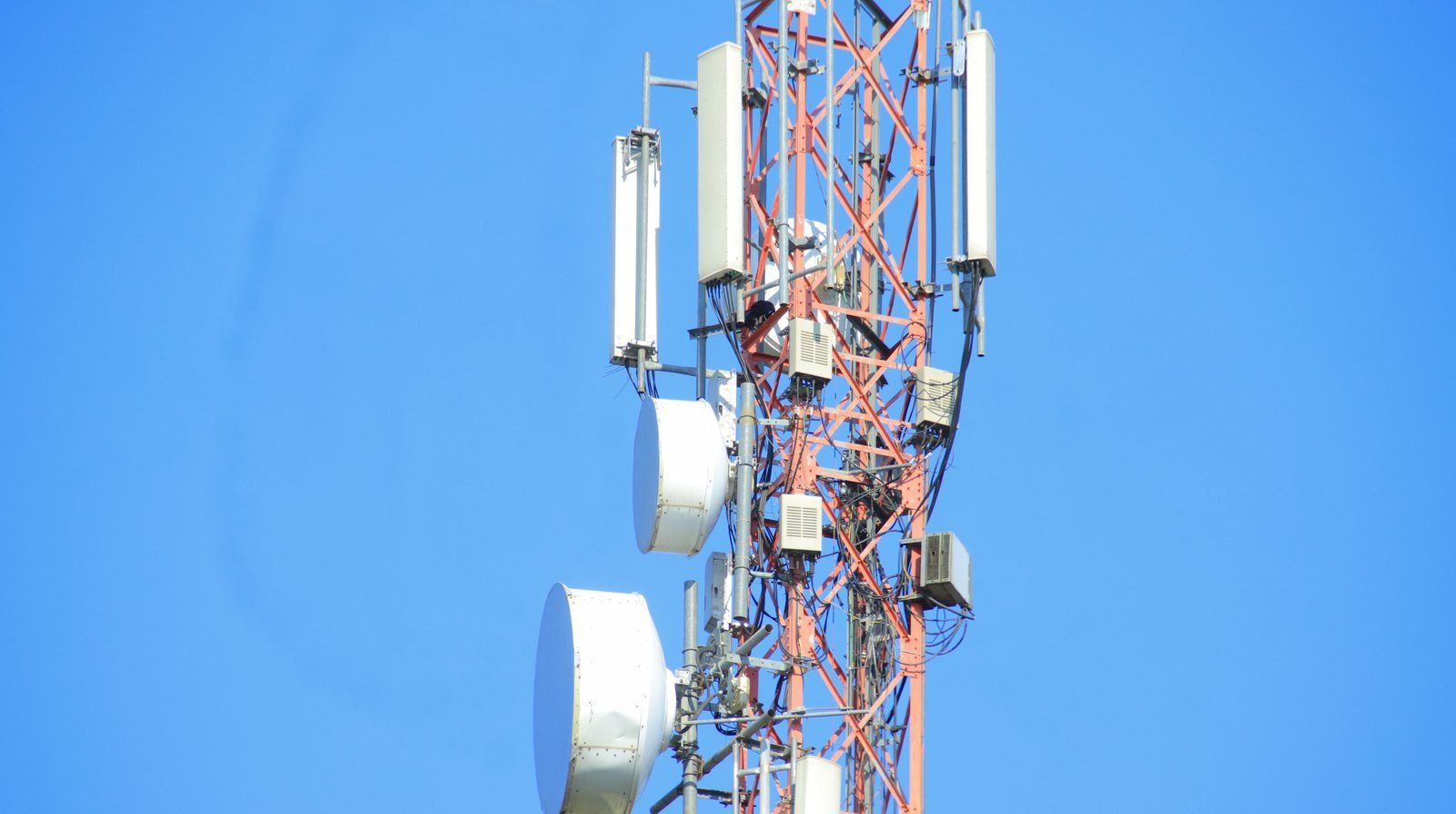
Systems operating transport works and critical technical infrastructure sit in the tightly managed group. Photo: Director Mtonga Kenya / Wikimedia Commons, CC BY-SA 4.0.
The transition path: two dates to remember
The decision does not force systems already in service to stop on 15 August. For listed systems put into operation before that date, providers and deployers have time to complete their compliance files:
| System group | Deadline to complete compliance obligations |
|---|---|
| Healthcare, education and finance | Before 1 September 2027 |
| Remaining sectors on the list | Before 1 March 2027 |
| Systems newly deployed from 15 Aug 2026 | Comply on entry into service |
The timeline applies to both system providers and the parties deploying them, not only to the technology vendor.
Are retail, F&B and service businesses affected?
The straight answer: mostly no. If a business does not operate in one of the six sectors above, the common AI applications all sit outside the list - product advisory chatbots, Zalo OA agents covering after hours, tools that draft product copy, menu recommendation engines, sales analytics. Decision 33 creates no registration or compliance file for that group.
Two situations do warrant a closer look. First, businesses selling technology into the six sectors: a software company building agents for a clinic or a school may qualify as a "provider" under the decision. Second, businesses using AI in decisions with legal consequences for individuals - internal credit scoring, application screening, learner classification - because those sectors are named.

Sales chatbots, Zalo OA agents and content tools used by SMEs fall outside the list of 46 systems. Stock photo (CC0).
The Chạm AI view: not regulated yet is not the same as nothing to do
This list is the first one, not the last. Experience in markets further down this road suggests scope tends to widen as AI works its way deeper into commercial decisions. Three things worth doing now, all cheap and useful for operations even with no law involved:
One, inventory the AI you already run. A striking number of businesses cannot answer "how many AI tools are we running, who owns them, where does the data go". A simple table of tool, purpose, input data and responsible person is the foundation of every compliance step that follows. Two, log what the AI decides on its own. If an agent sends messages, applies discounts or declines requests by itself, you need the reason and the timestamp on record - that same log is the raw material for measuring agent ROI later. Three, be transparent with customers. Say plainly that they are talking to AI and give them a route to a human; that is a baseline user expectation regardless of regulation.
Personal data remains a more immediate risk for SMEs than the high-risk AI list itself, which we covered in data security when using AI agents. And if you are weighing up a first agent, the order of steps is in the AI Agent implementation process.
Sources: Decision No. 33/2026/QD-TTg of the Prime Minister on the List of high-risk artificial intelligence systems (published on the Government legal documents portal) · Ministry of Science and Technology portal, "46 AI systems classified as high risk, subject to strict management", 3 Jul 2026 · Bao Chinh Phu and VnExpress, 2-3 Jul 2026 · LuatVietnam on the transition deadlines. This article is informational and does not replace legal advice.
Frequently asked questions
Which sectors does Vietnam's high-risk AI list cover?
Decision 33/2026/QD-TTg lists 46 high-risk artificial intelligence systems across six sectors: education, ethnic and religious affairs, healthcare, banking, legal proceedings and transport. Transport alone accounts for 31 of the 46 systems, covering high-level autonomous driving on vehicles, control of road and rail traffic signals, and systems operating transport works and critical technical infrastructure.
Is a sales chatbot or customer service AI agent classed as high risk?
No, provided the business does not operate in one of the six listed sectors. A product advisory chatbot, a Zalo OA agent answering after hours, or a content writing tool used by a retail shop, restaurant or spa all fall outside the list of 46 systems. However, if an agent takes part in lending decisions, credit scoring, screening medical records or student admissions, the business should check the list carefully because those sectors are named.
What happens to AI systems already running before 15 August 2026?
The decision includes a transition path. For listed systems already in operation before 15 August 2026, providers and deployers must complete their compliance obligations before 1 September 2027 in healthcare, education and finance, and before 1 March 2027 for the remaining sectors on the list. Systems newly deployed from 15 August 2026 must comply immediately.