Starbucks Korea: the calendar check that never happened

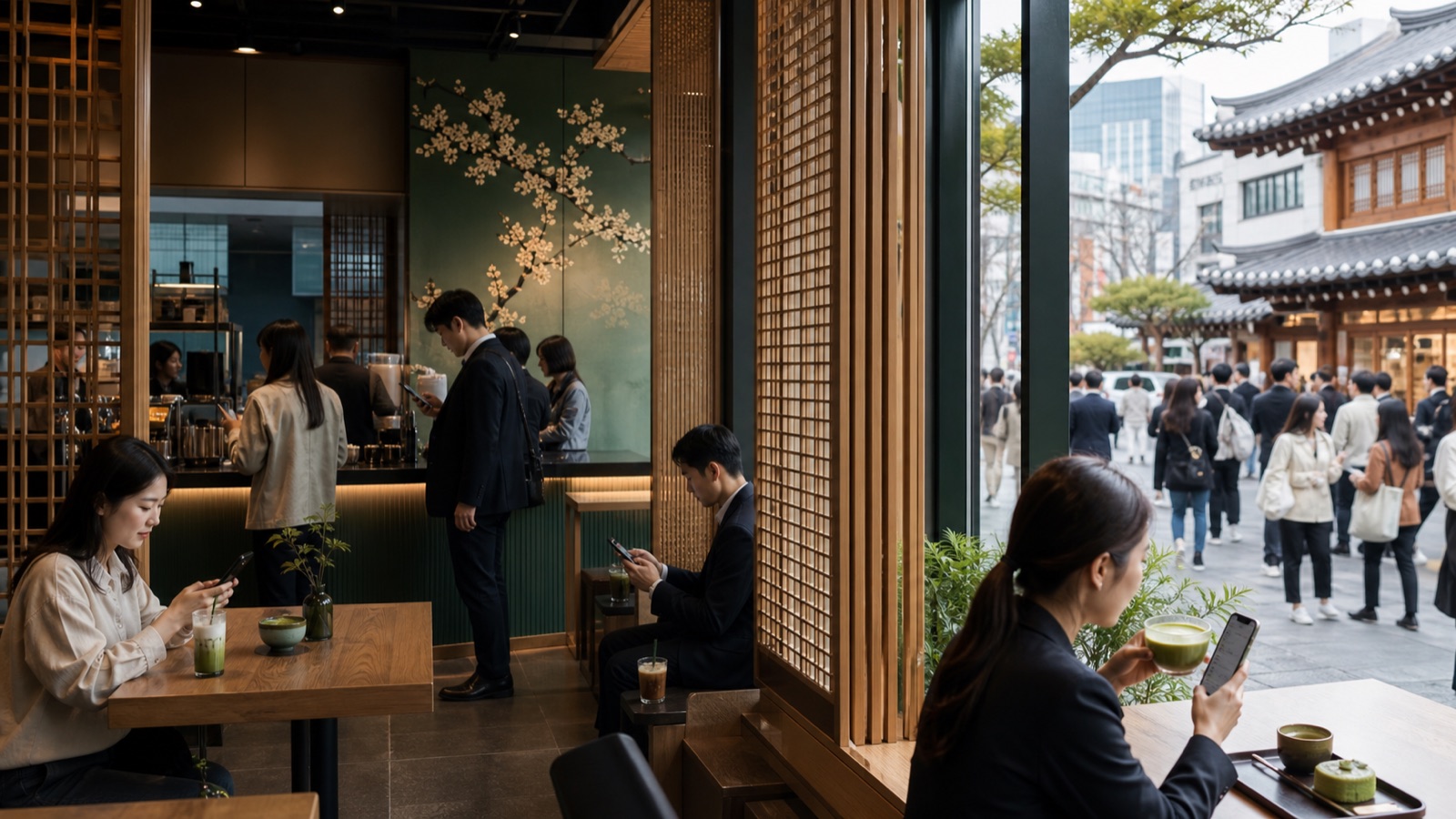
A Seoul coffee shop combining localization with digital membership. Editorial illustration generated with AI.
A thermos-tumbler promotion ignited the largest boycott wave Starbucks Korea had ever faced. The problem was never the product - it was that the campaign accidentally touched a historical wound carried by an entire nation.
On May 18, 2026, Starbucks Korea launched \u201cTank Day\u201d - discounts on its tank-shaped tumbler line - on the exact memorial day of the 1980 Gwangju democracy movement, when the military used tanks against protesters and hundreds died. Seen as mocking the tragedy, the brand faced the viral \u201ctal-buck\u201d boycott: smashed cups, refused deliveries, canceled partnerships. Sales fell sharply, Shinsegae leadership bowed in apology, and all stores closed early for history training. The lesson: every campaign must pass a local history-culture filter.
What exactly happened?
The campaign: on May 18, 2026, Starbucks Korea discounted its tank-shaped tumbler line ("Tank Day"). The wound it touched: May 18 is the memorial day of the 1980 Gwangju democracy movement, when the military used tanks to suppress protesters, killing hundreds. A tank image promoted on that exact date read as mockery of a national tragedy. The explosion: the "tal-buck" (quit Starbucks) wave went viral - cups smashed and binned on camera, delivery drivers refusing orders, corporate partners canceling collaborations and swapping gifts.
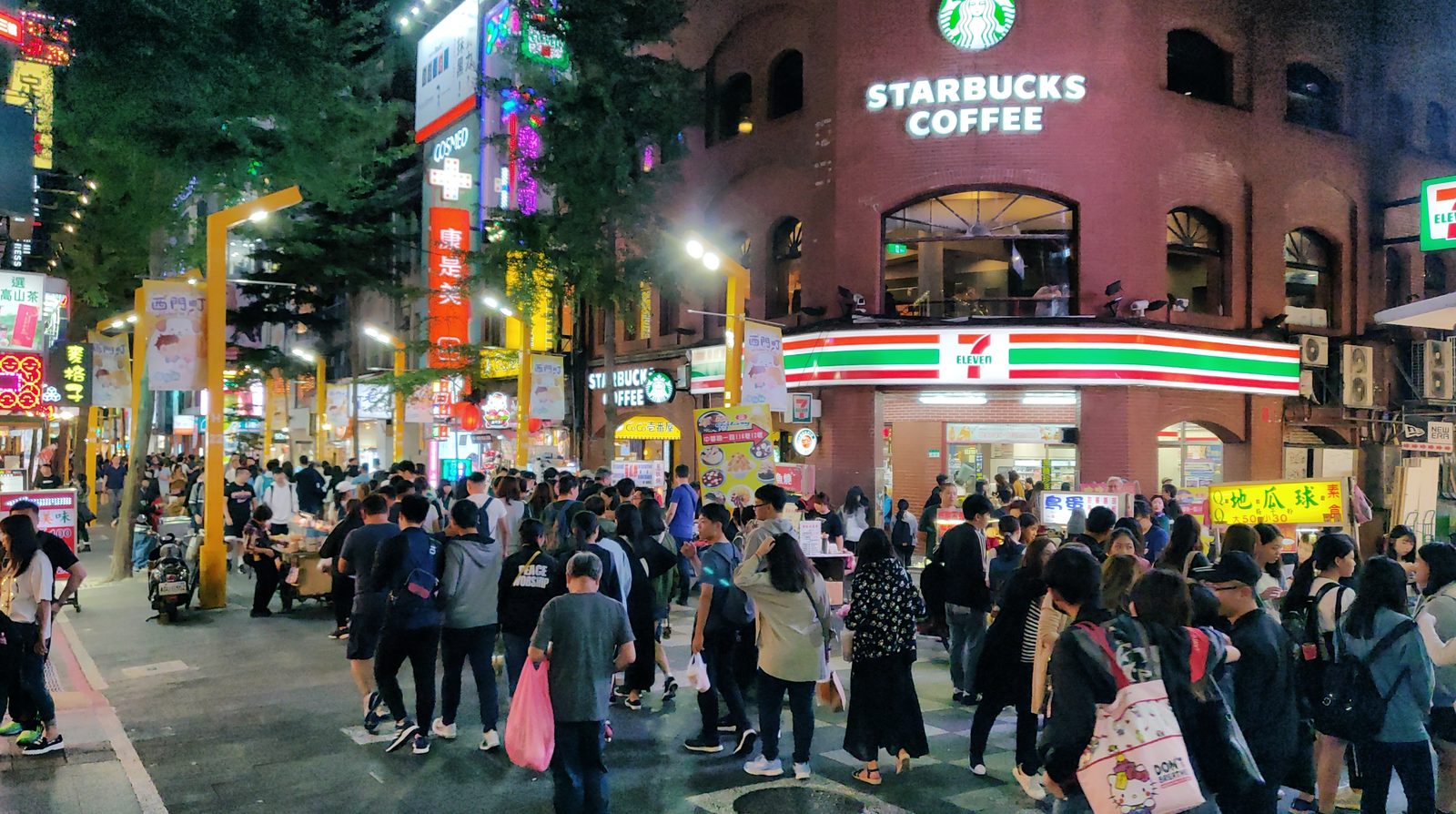
A Starbucks store on a busy Asian street. Stock photo (CC0).
How bad were the consequences?
Sales fell hard. Government ministers weighed in. Shinsegae leadership bowed in public apology, and the entire store network closed early for history-sensitivity training - an extraordinary step that shows how existential the moment felt. The product was never the problem; the date and the image were. A brand operating in someone else's history had failed to check the calendar.
What is the lesson - and the checklist?
Marketing must pass a local history-culture filter. Three checks before any campaign ships: the date against national anniversaries and tragedies; the imagery against historical wounds (tanks, uniforms, symbols); and local veto power - people who live the culture must be able to stop the launch, not just localize the copy. The deeper pattern matches New Coke and Duolingo's AI-first crisis: brands stumble worst when they optimize internally and forget how a message lands in the audience's emotional world. For businesses entering Vietnam the mirror applies - dates, symbols and regional sensitivities here deserve the same filter you would demand abroad.
Case study based on Korean and international press coverage of the May 2026 incident. Details reflect reporting at the time of writing.
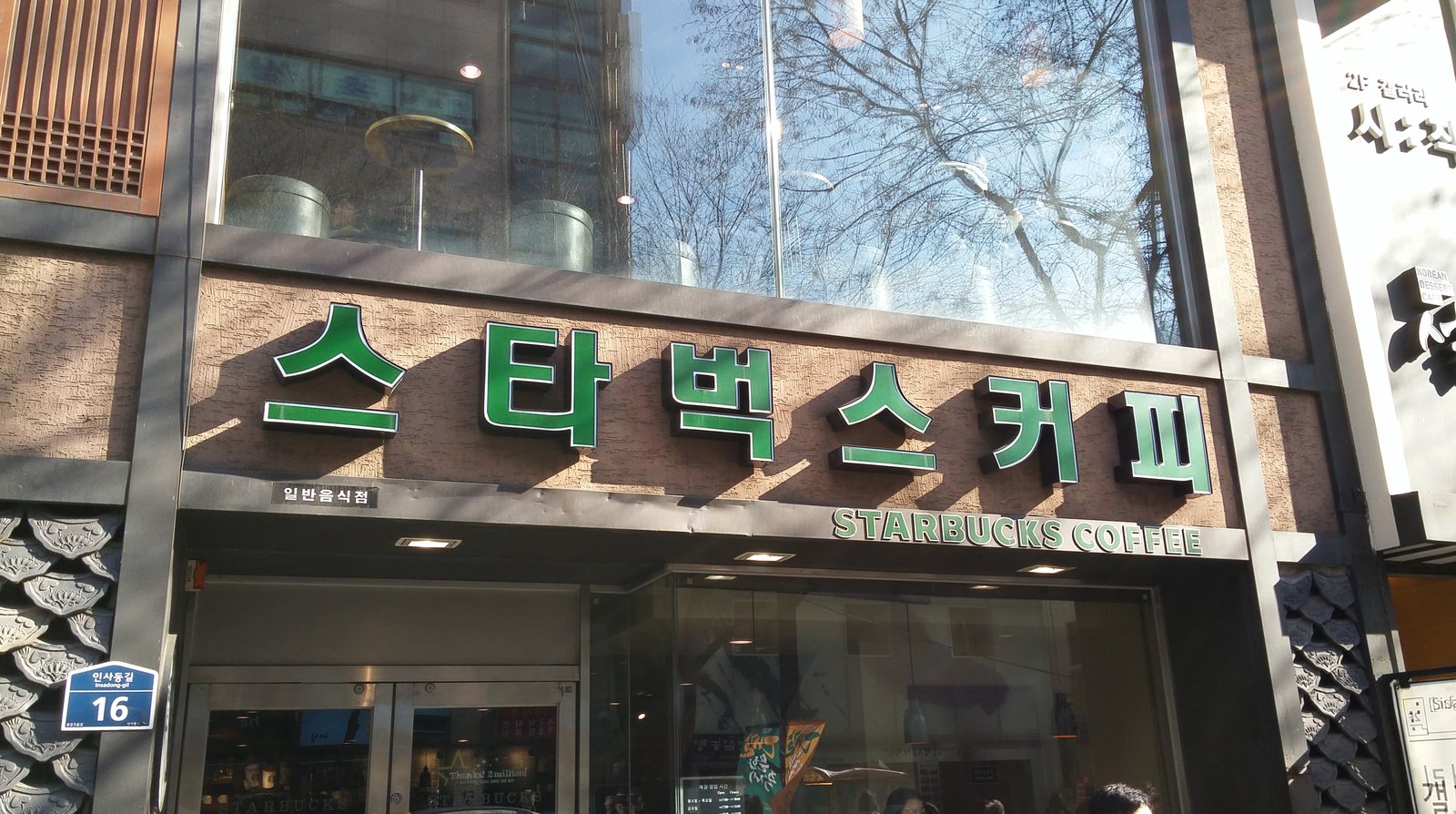
A dedicated visual selected for this article. A dedicated editorial visual selected for this article.
Frequently asked questions
What was the Starbucks Korea 'Tank Day' incident?
On May 18, 2026, Starbucks Korea launched a discount campaign for its tank-shaped tumbler line - on the exact anniversary of the 1980 Gwangju democracy movement, when the military used tanks against protesters and hundreds died. Promoting a tank image on that date was seen as mocking a national tragedy, igniting the largest boycott wave the brand had faced in Korea.
What were the consequences?
The 'tal-buck' (quit Starbucks) movement spread virally: customers smashed and discarded Starbucks cups, delivery drivers refused orders, and corporate partners canceled collaborations and swapped gift items. Sales fell sharply, Shinsegae leadership bowed in public apology, and every store closed early for history-sensitivity training.
How do you prevent a cultural landmine like this?
Run every campaign through a local history-and-culture filter before launch: check the date against national anniversaries and tragedies, check imagery against historical wounds, and give local teams genuine veto power. A calendar cross-check would have caught this in minutes - the cost of the check is nothing against the cost of the boycott.