Deloitte: 42% run AI agents, only 15% scale them

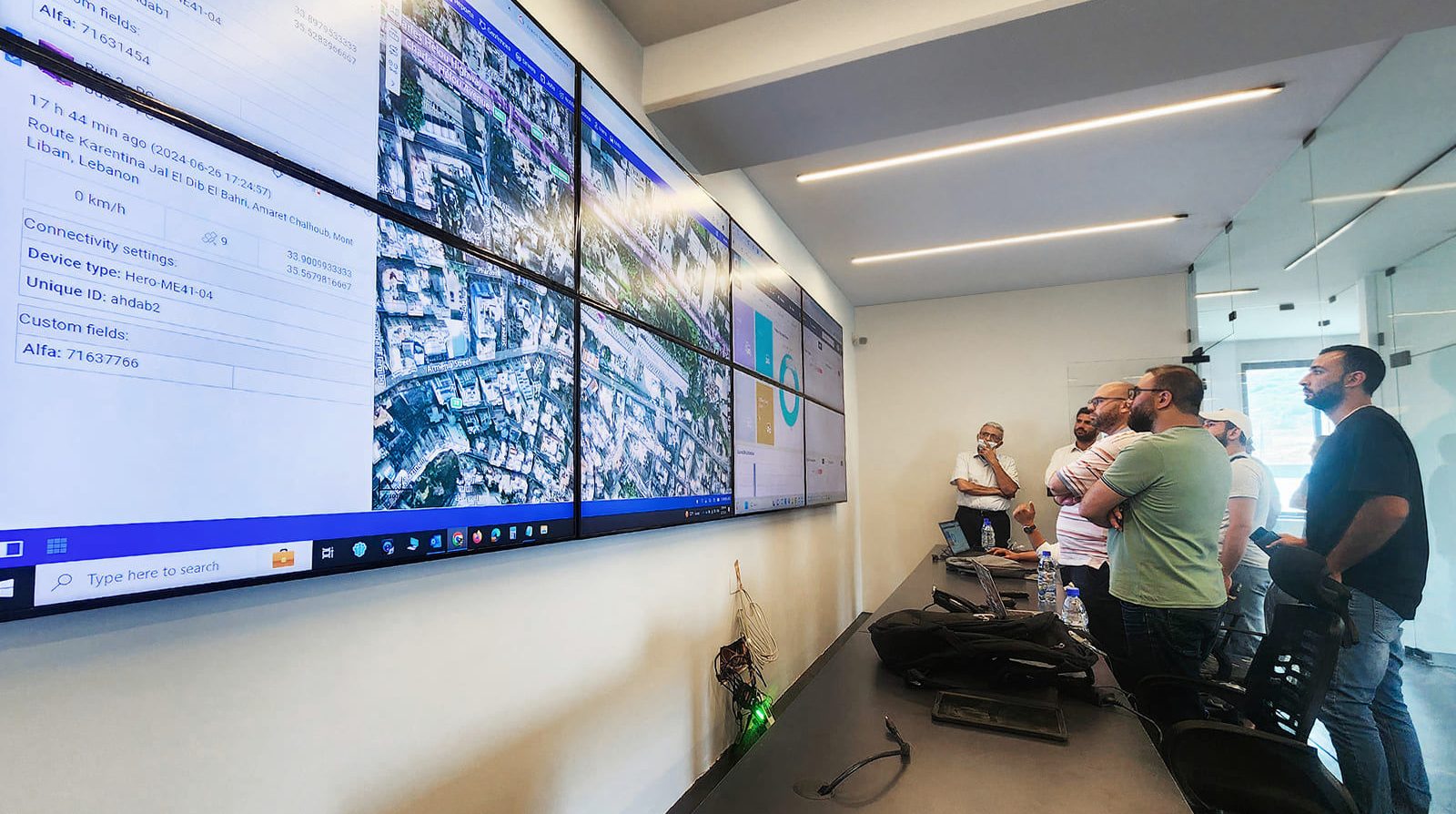
Coordinating many systems at once is the hard part of scaling AI agents, not building the first one. Stock photo (CC0).
Building one AI agent now takes days. A new Deloitte survey shows that the distance between that first agent and a fleet of agents running real operations still stops almost everyone, and the reason sits where nobody enjoys looking: data and process.
On 12 August 2026 Deloitte published a survey of 501 senior manager to C-suite leaders in the United States, fielded between April and June 2026 across five industries. 42% say their organisation has tested or deployed AI agents and 43% run them in more than one function, but only 15% have scaled orchestrated multi-agent adoption - and many of those deployments sit in low-risk, low-return work. The leading barriers are not about the model: 72% lack unified data, 70% cannot yet trust and govern agents, 67% find integration too expensive. For smaller companies the lesson is to fix the data and pick one measurable process before cloning agents.
What Deloitte measured
The survey belongs to Deloitte's agentic transformation research, and its sampling rule matters: every organisation taking part was already at least piloting agentic solutions. So these are not market-wide numbers but numbers for companies that have already started, which makes them a ceiling rather than a floor. Within that group, 42% have tested or deployed agents, 43% run them in more than one function, and only 15% reached scaled, orchestrated, cross-functional multi-agent adoption. Deloitte adds a detail that is easy to skip past: many in that 15% are applying agents to low-risk, low-ROI use cases, so the share genuinely scaling for profit is smaller still.
The bottleneck is data, not the model
Asked what holds them back, leaders named three things that have nothing to do with model quality: 72% lack unified, accessible data, 70% do not yet trust and govern agents, and 67% find integration too costly and complex. Only 42% rate their data foundation as ready, 25% say the same of their workforce, and just 5% describe their business processes as highly prepared for agents. Deloitte sums up the common mistake in one word: most organisations layer agents onto existing processes instead of redesigning the process around them, which is exactly why an agent that shines in a demo stalls in production.

Data spread across separate systems is the most cited barrier, named by 72% of respondents. Stock photo (CC0).
Expectations for the next four years stay high
The paradox is that struggling today has not lowered ambition: 74% of leaders expect that within four years, close to half of their business processes will be redesigned or rebuilt around AI agents, and 61% expect most agents to run largely autonomously with humans in an oversight role. 43% anticipate significant workforce disruption within 12 to 18 months. On the vendor side, platform data points the same way: Salesforce's Agentic Enterprise Index, published in early August 2026, reports that the number of active agents among its customers has nearly tripled while the time to build one fell 53%. That is vendor-published usage data, so read it as a measure of platform activity, but the direction matches Deloitte: creating agents keeps getting easier, running many of them does not.

Agents hold up in real operations when the process and the human oversight are designed together. Stock photo (CC0).
Our view: what this means outside the enterprise
The sample is large US organisations, so do not read the percentages as a forecast for Vietnam or for a twenty-person company. Three points transfer intact. One, fix the data before buying more tooling: if orders live in spreadsheets, the return policy lives in a manager's head and stock lives in a separate system, an agent has nothing to stand on - the groundwork we describe in the data foundation for AI agents. Two, pick one process with a number attached rather than scattering agents for show: after-hours reply rate, time to close an order, share of cases handed to a human. The arithmetic sits in how to measure AI agent ROI and in our free estimator. Three, redesign that process instead of layering an agent over the old one: that mistake tops our list of 7 AI agent implementation mistakes, and Deloitte has now shown it is not a small-company disease. Smaller firms hold one real advantage here: their processes are still light enough to change, so the "integration is too expensive" barrier bites far less, as long as the order of work follows the implementation process.
Sources: Deloitte press release "AI Agents are Only the Beginning: Deloitte Survey Examines the AI Readiness Gap", published 12 August 2026, based on 501 senior manager to C-suite respondents in the United States across five industries, fielded April to June 2026, all of them already piloting or implementing agentic AI · Salesforce, Agentic Enterprise Index second edition, August 2026, vendor platform data. Figures describe the US market and are indicative for Vietnam.
Frequently asked questions
What did the Deloitte survey published on 12 August 2026 find?
Deloitte surveyed 501 senior manager to C-suite leaders in the United States between April and June 2026 across five industries. It found that 42% have tested or deployed AI agents and 43% have deployed them in more than one function, yet only 15% have scaled orchestrated multi-agent adoption across functions.
Why do most organisations stall at the pilot stage?
The three biggest barriers sit outside the AI model itself: 72% say they lack unified, accessible data, 70% do not feel they can trust and govern agents, and 67% find integration too costly and complex. Most organisations layer agents onto existing processes instead of redesigning the process around them.
What should a smaller company take from this?
Three things: clean up the data before buying more tooling, because fragmented data is the number one barrier; pick one process with a measurable number instead of scattering agents everywhere; and redesign that process rather than layering an agent on the old way of working.