Qualcomm eyes Vietnam as its third-largest AI R&D hub


This week brought news most shop owners will scroll past as too remote: Qualcomm wants to turn Vietnam into its third-largest AI R&D centre worldwide. True, it changes nothing about next week's work. But one thread inside it reaches straight into the shop, and is worth knowing early.
Quick summary: On 27 August 2026 in Hanoi, Qualcomm President and CEO Cristiano Amon met General Secretary and President To Lam. Qualcomm said it sees Vietnam as an increasingly important market and technology hub in Asia and is working toward making it the company's third-largest AI R&D centre globally; it already runs an R&D centre in Hanoi and has worked with Viettel and VinSmart. Vietnam asked Qualcomm and Samsung to deepen investment in AI, semiconductors, robotics, 5G and 6G and data centres. For a small business this changes nothing this quarter; the thread worth watching is on-device AI - Qualcomm's core strength - because it sets the price and capability of point-of-sale hardware over the next few years.
What happened
The meeting took place on 27 August in Hanoi as part of a series of contacts between Vietnamese leaders and US technology companies. According to reports, Qualcomm said it is working toward making Vietnam its third-largest artificial intelligence research and development centre globally. This is a stated goal rather than an investment with a published figure, so it should be read at that level.
The groundwork exists: Qualcomm operates an R&D centre in Hanoi and has previously worked with domestic firms including Viettel and VinSmart. In the other direction, Vietnam asked Qualcomm and Samsung to increase investment across AI, semiconductors, robotics, 5G and 6G, data centres and next-generation connectivity.
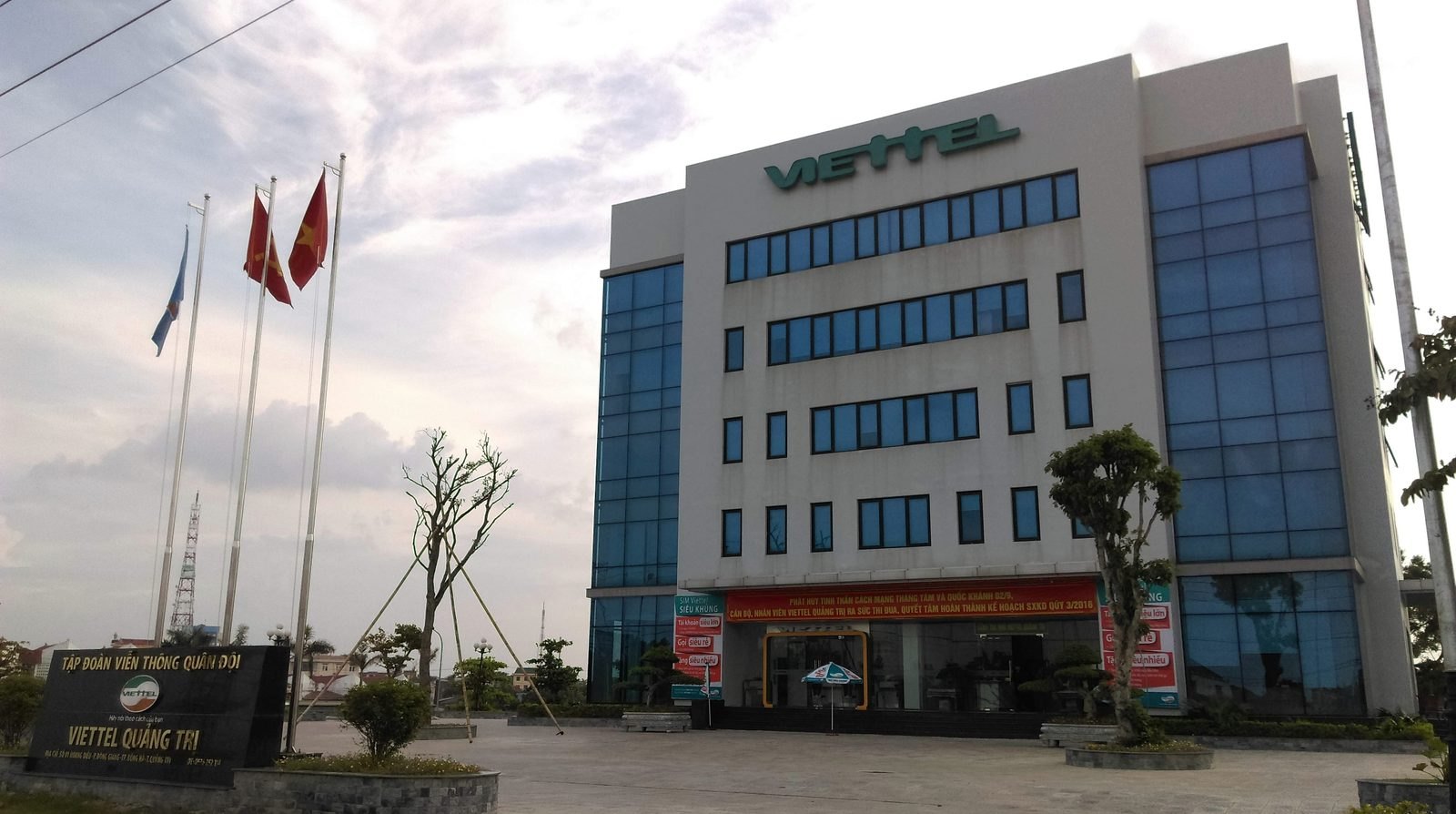
Viettel is among the Vietnamese firms that have worked with Qualcomm. Photo: Linhcandng / Wikimedia Commons, CC BY-SA 4.0.
Plainly: this changes nothing this quarter
Worth saying before going further. This is long-term infrastructure and investment news, not a new tool a business can use today. A cafe or clothing shop finishing this article still has exactly the same to-do list as last week.
The effect, when it comes, arrives indirectly through three channels on a timescale of years: a deeper domestic pool of AI engineering talent, easing outsourcing costs; hardware with built-in AI capability becoming common and steadily cheaper; and Vietnam's position in the regional technology supply chain rising, bringing partners and suppliers with it. None of those three hands you something to do tomorrow morning.
The thread worth watching: AI on the device, not in the cloud
This is where the news differs from most AI headlines. Qualcomm does not build cloud language models the way OpenAI or Google do; its strength is chips that run AI on the device itself - phones, cameras, screens, embedded equipment. A Qualcomm investment wave into Vietnam therefore accelerates that hardware category, and that category sits inside the shop.
| Criterion | Cloud AI | On-device AI |
|---|---|---|
| Customer data | Sent to an external server | Processed locally, never leaves the store |
| When the network wobbles | Stops working | Keeps running |
| Cost | Paid per call | Paid once, with the device |
| What it can do | Conversation, complex reasoning | Narrow jobs: footfall counting, shelf stock recognition, on-screen prompts |
The two complement rather than replace each other: conversational agents stay in the cloud, while sensors and screens at the point of sale suit on-device AI.
The most valuable point for retail is that data never leaves the store. Counting footfall or analysing movement with cameras always runs into the question of where customer images end up. When processing happens on the device and only aggregate numbers are sent out, the personal data risk drops sharply - a topic we covered in data security when using AI agents.
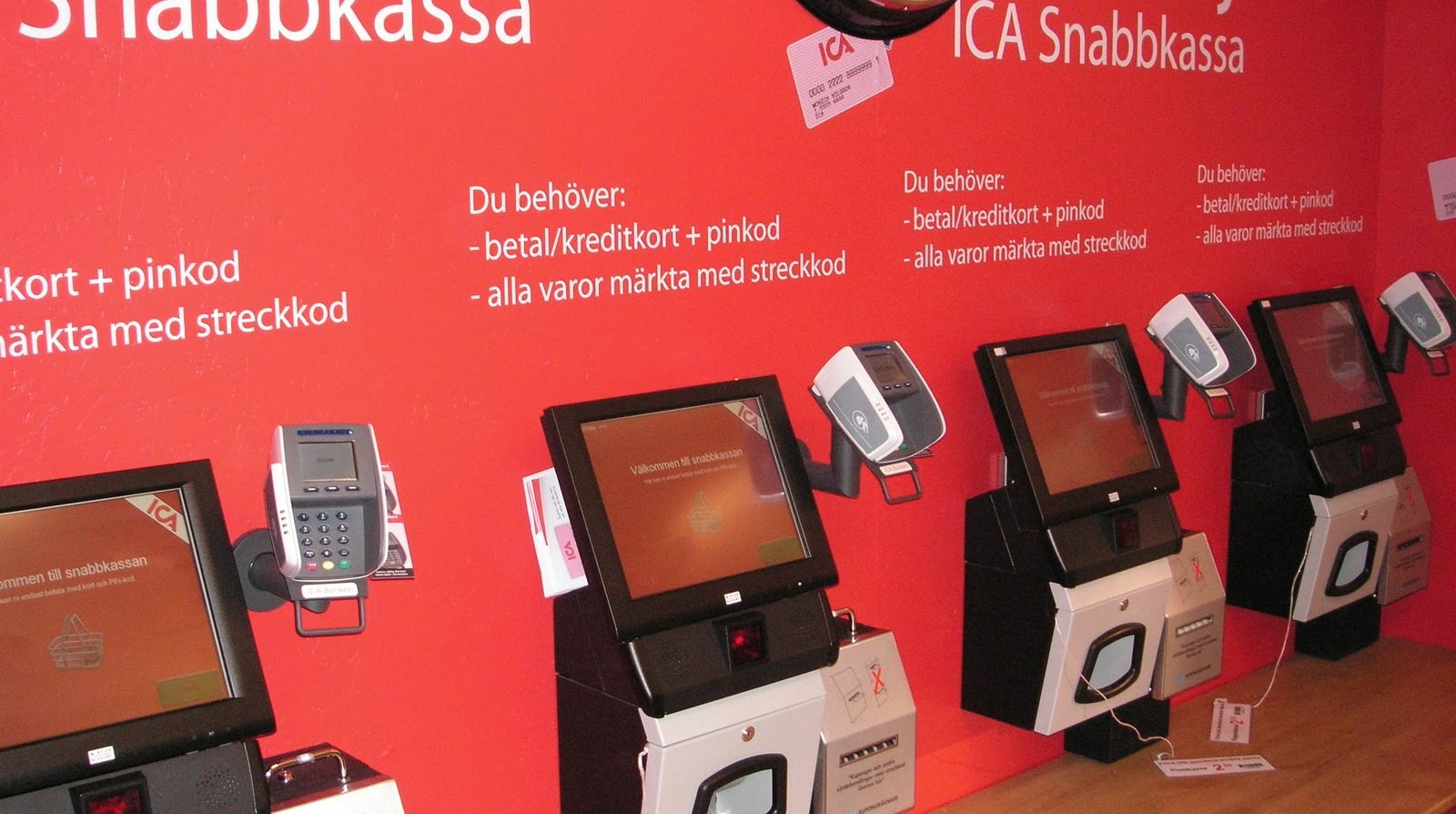
Self-checkout stations, footfall cameras and prompt screens are the devices that benefit directly from on-device AI. Stock photo (CC0).
The Chạm AI view: reading macro news without being swept along
Every time a large technology investment is announced, small businesses tend toward one of two extremes: excitement followed by waiting for something to arrive on its own, or dismissal because it seems unrelated. Both miss a more useful third reading: use macro news to calibrate price expectations.
Concretely here: if you are weighing an analytics camera system or an interactive screen for the shop, this is a signal that such hardware will get cheaper and more available over the next few years. For a large purchase that is not urgent, waiting a beat is reasonable. For what can be done right now with what already exists - an agent covering Zalo OA, cleaning up order data, writing processes clearly enough to hand to a machine - there is no reason to wait, and the order of steps is in the AI Agent implementation process.
A closing note on reading sources: statements at high-level meetings are intent, not commitments with numbers attached. Track it with more concrete signals - engineering job postings in Vietnam, announced joint projects, products actually reaching the market - rather than concluding from a headline.
Sources: Reuters (republished by The Star and Yahoo Finance) on the 27 August 2026 meeting and Vietnam's request to Qualcomm and Samsung; VietnamPlus and Vietnam News English coverage of the talks; nhadautu.vn on the third-largest AI R&D centre goal. That goal is a stated direction, not an investment figure that has been announced.
Frequently asked questions
What did Qualcomm announce about Vietnam?
On 27 August 2026 in Hanoi, Qualcomm President and CEO Cristiano Amon met General Secretary and President To Lam. Qualcomm said it sees Vietnam as an increasingly important market and technology hub in Asia and is working toward making it the company's third-largest AI research and development centre globally. Qualcomm already operates an R&D centre in Hanoi and has worked with Vietnamese firms including Viettel and VinSmart. Vietnam asked Qualcomm and Samsung to deepen investment in AI, semiconductors, robotics, 5G and 6G and data centres.
Does this change anything for a small business?
Nothing this quarter, and that should be said plainly. This is long-term infrastructure and investment news, not a tool a business can pick up today. The practical effect arrives indirectly through three channels: a deeper domestic pool of AI engineering talent, which eases outsourcing costs over time; hardware with built-in AI capability becoming common and cheaper, which reaches point-of-sale devices; and Vietnam carrying more weight in the regional technology supply chain.
How does on-device AI differ from cloud AI for a shop?
Qualcomm's strength is AI running on the device rather than cloud models. For a shop the difference comes down to three points: data is processed locally so customer images and video never leave the store, reducing personal data risk; it does not depend on connectivity so it keeps working when the network is unstable; and there are no per-call API fees. In exchange, on-device models are usually smaller, suiting narrow jobs such as counting footfall, recognising stock on shelves or prompting on a screen, rather than replacing a conversational agent running in the cloud.