AI Agents for gyms & yoga studios: retain members, sell plans 24/7


A dedicated editorial image selected for this article.
A prospect messages "how much is the 3-month plan, any evening PT slots left?" at 10 pm, after the front desk has gone home. Reply the next morning and she has already signed up at the gym closer to her house. For gyms and yoga studios, a slow reply is a membership lost outright - and members who expire with no one following up are revenue leaking away month after month.
An AI agent for gyms and yoga studios handles 5 jobs: advising on membership plans and quoting prices even at 10 pm, booking classes and PT sessions by open slots, sending reminders that cut no-shows, proactively re-engaging members whose plans are about to expire to lift renewals, and upselling PT packages or nutrition advice. All automatic on Zalo OA, Messenger and the website. Data to prepare: the class timetable, the price list and the freeze policy.
What can an AI agent do for a gym?
Advise plans & quote prices
Answers prices for 1-month, 3-month and annual plans, compares benefits and running promotions, even at 10 pm.
Book classes & PT
Places customers into yoga or group classes with seats left, or PT sessions by each trainer's open slots.
Remind to cut no-shows
Messages before each session with confirm-or-reschedule options, keeping classes full and PT slots used.
Care for expiring members
Checks in automatically 15-30 days before expiry and sends renewal offers at the right moment.
Upsell PT & nutrition
Suggests PT packages, specialised classes or nutrition advice based on the goals each customer shared.
Hand off to humans
Cases involving injuries, health conditions or VIP customers go to staff with a conversation summary.
Why is retention the make-or-break problem for gyms?
The fitness industry lives with a harsh truth: selling a plan is hard, keeping the member is harder. According to industry statistics compiled by Gymdesk (2025), nearly 50% of new members quit within the first 6 months, and about 14% cancel within the very first month. IHRSA (now the Health & Fitness Association) puts the average annual attrition of a fitness club at 28.6%, with many clubs losing 30-50% of members every year. In other words, of 100 members in January, only 50-70 remain in December if nobody looks after them.
The bright spot is in the follow-up: by the same industry data, 87% of members who get good onboarding and consistent check-ins stay 6 months or longer. The problem is that a Vietnamese gym with 300-1,000 members rarely has dedicated staff to message every person approaching expiry. That is exactly the job an AI agent does most reliably: it remembers every member's expiry date and starts the conversation at the right time.
International fitness industry data: churn is high, but proactive care changes the picture.
The market is also growing fast: according to Mordor Intelligence (2026), the Southeast Asia health and fitness club market reached USD 2.68 billion in 2025 and is projected to hit USD 4.19 billion by 2030, growing 9.36% a year. Competition will only intensify: the gym that replies faster and retains better wins.
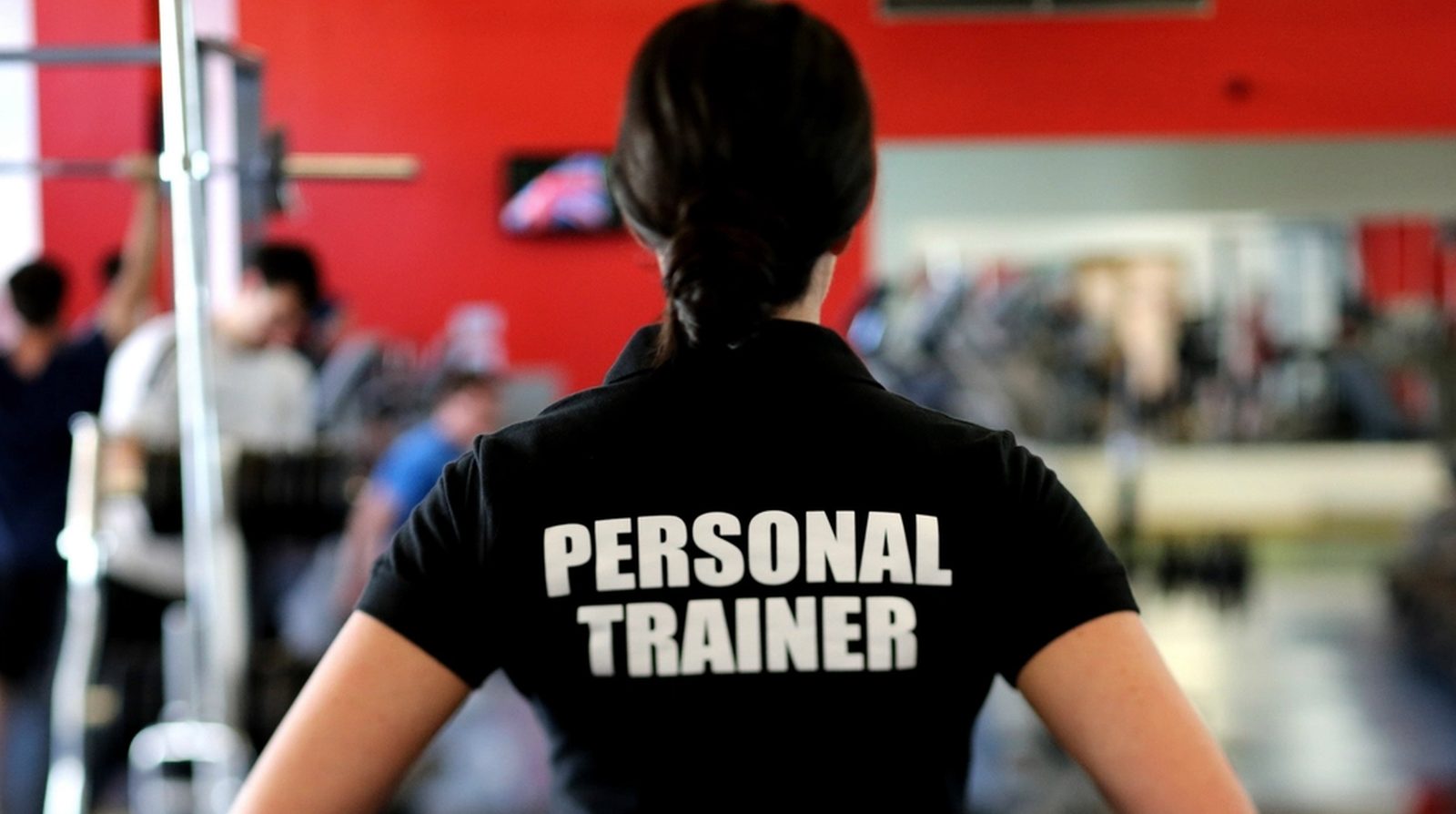
Trainers coach on the floor while the AI agent handles reminders and member follow-ups. Stock photo (CC0).
The 5 jobs an AI agent does for Vietnamese gyms and yoga studios
- Advise on plans and quote prices at 10 pm: Vietnamese customers tend to ask about prices after work, between 8 and 11 pm. Trained on the real price list - for example a 1-month plan at 500,000 VND, 6 months at 2.4 million, annual plans at 4-8 million VND depending on the club tier - the agent answers consistently with each plan's benefits and current promotions, then asks for a number to book a free trial session.
- Book classes and PT by open slots: the Tuesday 6 pm yoga class has 4 seats left, trainer Minh is free Thursday at 7 pm - the agent reads the timetable and places the customer into the right open slot, confirming inside the conversation instead of making them wait for the front desk to check the book.
- Send reminders that cut no-shows: messages 24 hours and 2 hours before each session, with confirm-or-reschedule options. Classes stop losing people at the last minute and PT sessions stop going empty - each empty PT slot is 300,000-500,000 VND of revenue gone.
- Care for members about to expire: 30 days before expiry the agent checks in on the training experience; 15 days before, it sends an early-renewal offer; members absent for 2 straight weeks get an encouraging nudge to come back. This is the industry's biggest pain point and where the agent moves revenue most visibly.
- Upsell PT and nutrition: customers share their weight-loss or muscle-gain goals in the very first conversation; the agent uses that to suggest a personal PT package, a specialised class or a nutrition consultation to the right person at the right time, instead of blasting everyone.
The operating model mirrors the slot-based booking of an AI agent for spas and the cycle-based care of education centers, with one difference in the business logic: the product sold is a time-limited membership, so expiry-date data matters more than anything else.

A dedicated visual selected for this article. Editorial illustration generated with AI.
What data should you prepare before implementation?
An AI agent only advises correctly when the gym's data is clean. Three groups are mandatory:
- Class and PT timetable: each class's time slot, capacity and instructor, plus PT availability by day. If the schedule changes weekly, you need a clear update routine.
- A complete price list: the listed price of every plan, joining fees, seasonal promotions, group or couple policies. Vague pricing is the root of every wrong-advice conversation.
- Freeze, transfer and refund policy: customers very often ask to freeze a membership for business trips, pregnancy or injury; the agent must answer by the actual policy rather than improvise.
Add the member list with expiry dates and attendance history so the agent can run renewal care. On why the data foundation decides agent quality, see the data foundation for AI agents and the AI agent implementation process.
Which channel first: Zalo OA, Messenger or the website?
For Vietnamese gyms and yoga studios the usual priority is: Zalo OA first, because existing members all use Zalo and reminder or renewal messages sent there get high read rates; Messenger second, where new prospects from ads and the fanpage ask about prices most; the website third, closing visitors who are comparing gyms. One agent sharing a single knowledge base across all 3 channels keeps answers consistent, with no price drift between channels. On how an agent differs from a scripted chatbot, see what is an AI agent.
On budget, small gyms usually start at a few million VND per month for one main channel - see the detailed structure in how much does an AI agent cost, and estimate your break-even point with the AI agent ROI calculator. Retaining just a few extra renewals a month, at 4-8 million VND per annual plan, already covers the agent's running cost.
Frequently asked questions
What can an AI agent do for a gym?
It advises on membership plans and quotes prices even at 10 pm, books classes and PT sessions by open slots, sends reminders to cut no-shows, proactively re-engages members whose plans are about to expire to lift renewals, and suggests PT packages or nutrition advice. All automatic on Zalo OA, Messenger and the website.
What data should a gym prepare before implementation?
Three core groups: the class and PT timetable by time slot, a complete price list for every plan including running promotions, and the freeze, transfer and refund policy. Add the member list with expiry dates so the agent can time renewal care correctly.
Should a small yoga studio use an AI agent?
Yes, if the studio often misses evening messages asking about plans or has no one looking after members about to expire. Start with plan advice and class booking on one channel such as Zalo OA at a moderate cost, then expand to reminders and renewal care once it proves itself.