Asia's clouds go agent-native: 15 agents handle 85% of support

Within one week, Asia's two biggest cloud vendors said the same thing: the unit of software operations is no longer the application - it is the team of AI agents. Alibaba unveiled a whole new cloud architecture in Shanghai, and Huawei brought agent infrastructure straight down to Southeast Asia.
On July 18, 2026 at WAIC Shanghai, Alibaba Cloud launched Agent Native Cloud - a cloud designed around agents: AgentTeams orchestrates the fleet, AgentRun manages lifecycles, AgentLoop traces and optimizes, all inside securely isolated runtimes. Alibaba's internal numbers: 15 coordinated agents handle 85% of developer support requests, support operations time down 90%, release cycles compressed to 1 day. Six days later (July 24), Huawei launched its agentic infrastructure in Thailand: petabyte-scale agent memory, the AgentSphere runtime, and a CodeArts Agent beta. For Vietnamese businesses: the "agent fleet" model is becoming mainstream infrastructure - and it has arrived next door.
What did Alibaba and Huawei announce?
At WAIC 2026, Alibaba Cloud introduced Agent Native Cloud with a blunt argument: 20 years of cloud infrastructure was built for applications with humans at the screen, while agents need something else - safely isolated places to run, their own identities, long-term memory and a way to coordinate a whole team. The trio of AgentTeams (roles and supervision across agents), AgentRun (lifecycle) and AgentLoop (measurement and optimization) is effectively an HR-and-operations department for digital staff. Alibaba's self-reported internal numbers are striking: 15 coordinated agents now handle 85% of developer support requests and squeeze software release cycles down to 1 day. The same week, Huawei picked Thailand as its first Southeast Asian deployment of agentic infrastructure - petabyte-scale memory for long-horizon tasks, the AgentSphere runtime, and dedicated security zones for data. The direction plugs straight into the wave Google opened with its governance layer for agent fleets.
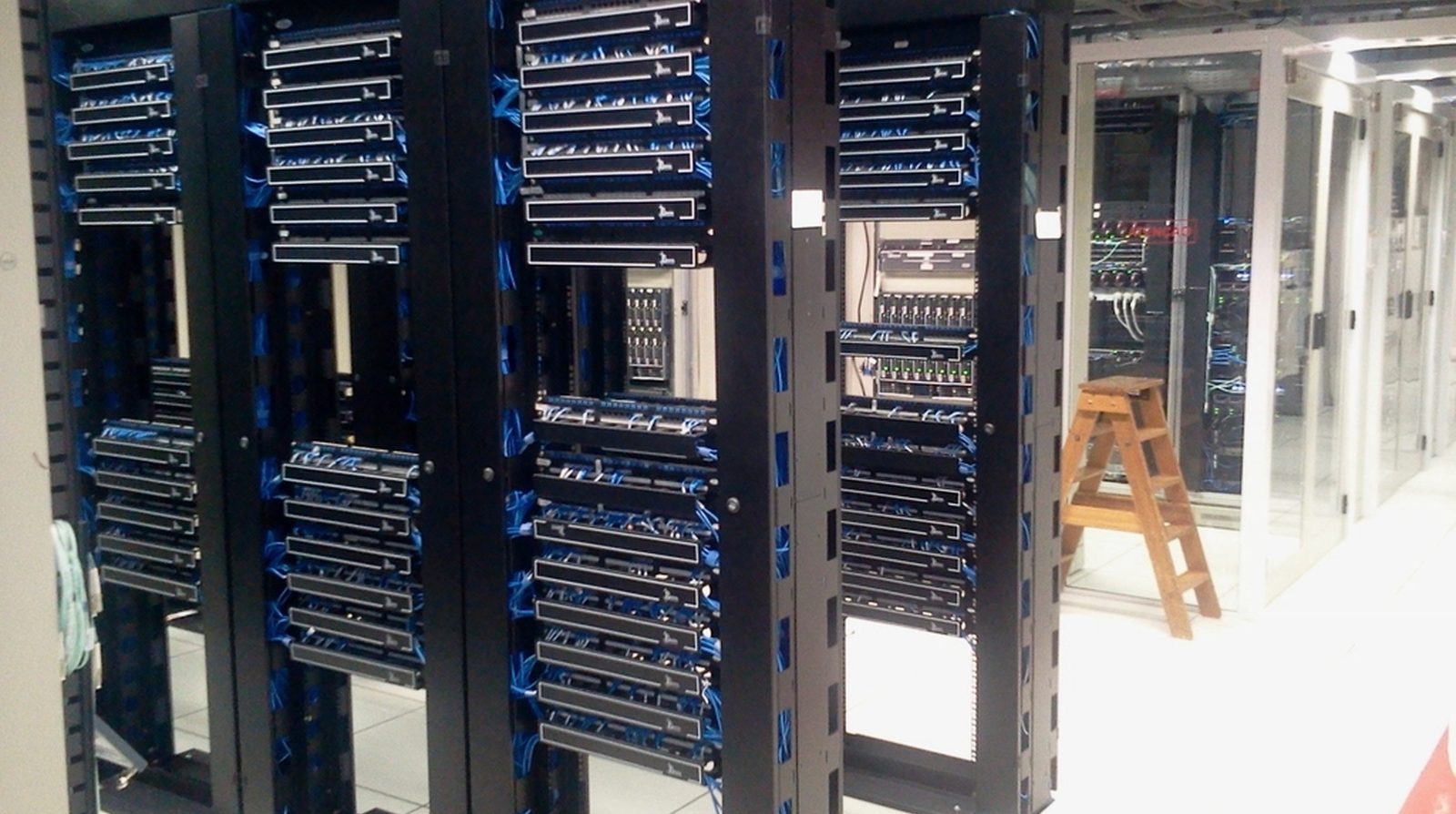
Agent infrastructure near Southeast Asia means lower latency and closer data. Stock photo (CC0).
Why does agent infrastructure in Southeast Asia matter?
Until now, running serious agents usually meant calling APIs hosted in the US: higher latency, data traveling farther, and regulated industries (finance, healthcare) tripping over data-residency requirements. Huawei placing agentic infrastructure right in Thailand - with Alibaba already running Southeast Asian regions - means agent fleets can now run close to home: low latency for real-time conversations, lower bandwidth costs, and easier compliance with in-region data rules. Infrastructure competition should also push prices down - feeding straight into the software-cost math Gartner just flagged: as the agent layer gets cheaper and closer, replacing software "seats" with agents gets even more attractive.

A dedicated visual selected for this article. Editorial illustration generated with AI.
Chạm AI's take: from 1 agent to an agent fleet
Fifteen agents handling 85% of support sounds dizzying, but that is the destination, not the starting point. For Vietnamese SMEs the sensible path is still: one, start with 1 agent and 1 measurable job (after-hours chat, order lookups, payment reminders), following the implementation process from clean data up. Two, design room for teammates: name each agent, give it a role, log its actions from day one - so the second and third agents will not trip over each other, exactly the AgentTeams spirit. Three, ask any cloud or agent vendor about regions: does it run in Singapore, Bangkok or the US, and where do customer conversations live - that question is about to become a procurement criterion. To size the numbers before you start, you can run a quick ROI estimate with our free tool.
Sources: Alibaba Cloud - "Alibaba Cloud Unveils Agent-Native Innovations at WAIC 2026", July 18, 2026 (official blog + Alibaba Group) · Huawei Cloud Summit Thailand, July 24, 2026 (PR Newswire, TechNode Global). Vendor-reported internal figures, offered as reference.
Frequently asked questions
What did Alibaba announce at WAIC 2026?
On July 18, 2026 at WAIC in Shanghai, Alibaba Cloud unveiled Agent Native Cloud - a cloud architecture designed around AI agents instead of applications: AgentTeams orchestrates multiple agents, AgentRun manages their lifecycle, AgentLoop traces and optimizes them, all running in securely isolated environments. Internal results: 15 coordinated agents handle 85% of developer support requests, cut support operations time by 90%, and compress release cycles to 1 day.
What did Huawei bring to Thailand?
At Huawei Cloud Summit Thailand on July 24, 2026, Huawei launched its agentic infrastructure in Thailand: petabyte-scale agent memory storage for long-horizon tasks, the AgentSphere agent runtime, unified compute scheduling, plus an open beta of the CodeArts Agent coding tool. It is the first agent-dedicated infrastructure deployed right in Southeast Asia.
What should a Vietnamese business take away?
Three things: operations are shifting from one AI assistant to a fleet of agents with roles and supervision; agent infrastructure hosted in Southeast Asia means lower latency and data kept closer to home; and while 15 agents handling 85% of support shows a very high ceiling, the right start is still 1 agent with 1 measurable job before growing the team.