Gartner: $234B in SaaS spending at risk from AI agents

For 20 years enterprise software has been sold on one formula: count the users, multiply by a price per "seat". Gartner just said it plainly: once AI agents do the clicking, that formula starts to break - and the money on the table is $234 billion.
On July 1, 2026, Gartner published an estimate: up to $234 billion of enterprise application software spending is exposed to "agentic arbitrage" between now and 2030 - roughly 20% of enterprise SaaS spend by then. The mechanism: AI agents complete work across multiple systems, users stop opening the software's interface - the software turns "invisible", breaking the user-count-to-revenue link that per-seat pricing stands on. Trade press has nicknamed the scenario the "Saaspocalypse". For Vietnamese SMEs paying per seat for CRM, accounting and customer-care tools, it is time to rethink how you buy software.
What did Gartner announce?
In its July 1, 2026 press release, Gartner estimates that between now and 2030, up to $234 billion of enterprise application software spending sits in a risk zone the firm calls agentic arbitrage: an AI agent stands between users and software, takes a request in natural language, then operates the CRM, accounting, inventory or HR system itself - returning only the result. Users do not log in, do not click, never see the interface. When software turns invisible, what gets threatened is not the features but the pricing model: most SaaS is sold per user, and agents do not buy seats. Gartner puts the figure at roughly 20% of enterprise SaaS spend by 2030; analysts promptly nicknamed the scenario the "Saaspocalypse". It is the logical next step of a wave we covered earlier: MCP becoming the open standard that plugs agents into every system - the plumbing is in place, now the money starts to move.
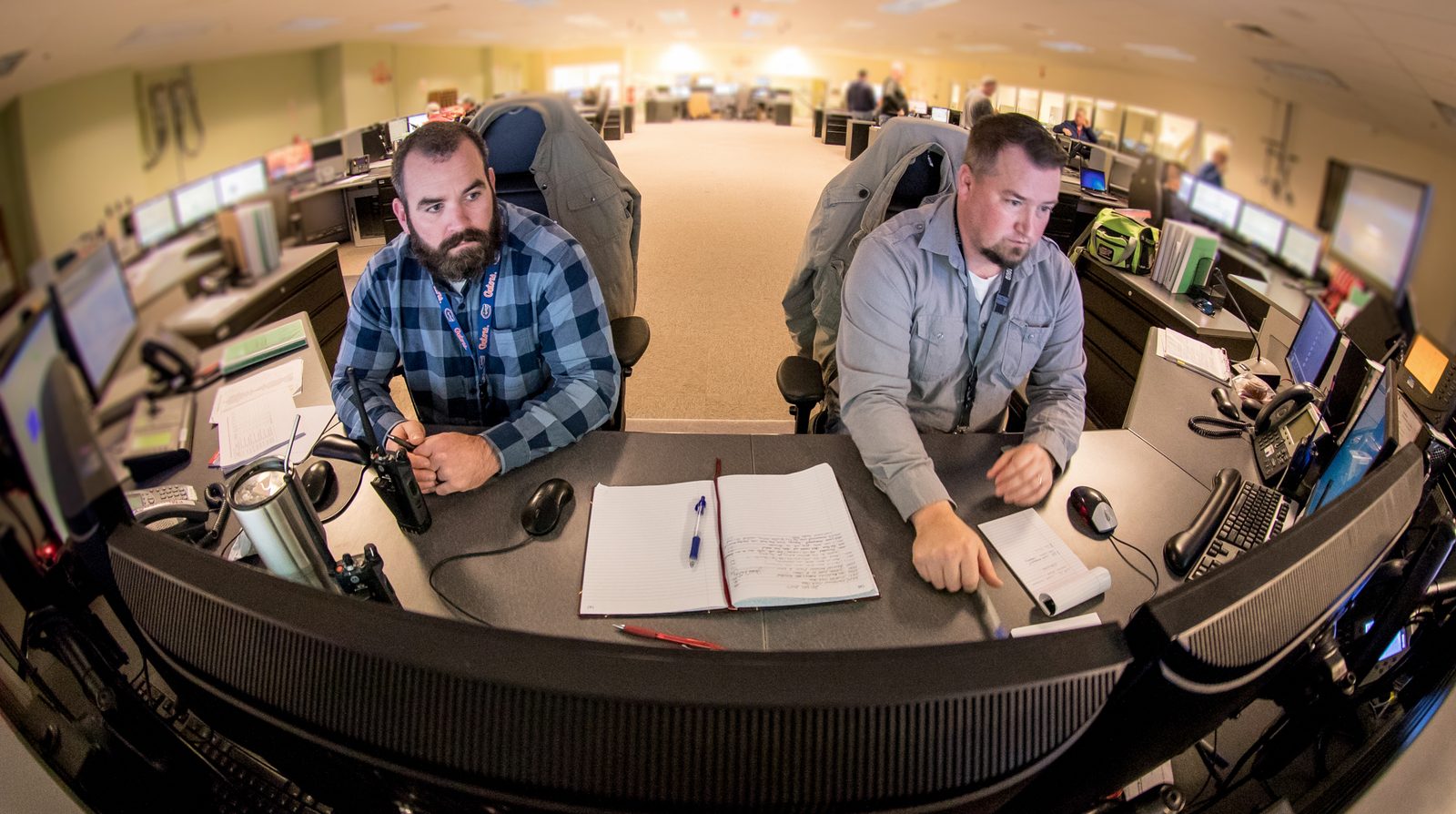
Traditional SaaS charges per seat - agents do the work but never buy a seat. Photo: PEO ACWA, Wikimedia Commons, CC BY 2.0.
Why is "agents do not buy seats" such a big deal?
Per-seat pricing survives on one assumption: every worker needs a login. Agents break that assumption in both directions. First, one agent replaces several seats: an employee just types "summarize this week's orders and remind the 5 unpaid customers" - the agent works the sales and accounting tools itself, and two look-and-click accounts become redundant. Second, value migrates up to the agent layer: businesses will happily pay for outcomes (orders processed, customers cared for) rather than for login rights. SaaS vendors can see it coming - Salesforce already sells its own agents instead of just seats, and several vendors are testing per-task and per-outcome pricing. These are exactly the jobs on our list of what an AI agent can do beyond a Q&A chatbot.

A dedicated visual selected for this article. Editorial illustration generated with AI.
Chạm AI's take: how should a Vietnamese SME buy software now?
Vietnamese SMEs do not spend millions on SaaS, but add up the per-seat CRM, accounting, chatbot and inventory plans and the annual number is real - and Gartner's logic applies just the same. One, ask "is there a door for agents?" before you buy: software with an API or MCP support lets your agent plug in; without it you are locked inside their interface. Two, audit the look-and-click seats: any account opened a few times a month just to check numbers is a candidate for an agent to replace - the cost of one agent is now below several multi-seat plans combined. Three, watch the invoices: as vendors shift to per-task pricing, the businesses that know their real usage numbers will negotiate best - you can run the cost math quickly with our free tool before deciding.
Sources: Gartner - press release "Gartner Says $234 Billion in Enterprise Application Software Spend Is at Risk from Agentic AI", July 1, 2026 · covered by CIO.com, CIO Dive and Yahoo Finance in July 2026. Global forecast figures, offered as reference for the Vietnamese market.
Frequently asked questions
What did Gartner just warn about SaaS?
In a July 1, 2026 press release, Gartner estimated that up to $234 billion of enterprise application software spending is exposed to "agentic arbitrage" between now and 2030 - roughly 20% of enterprise SaaS spend by then. The reason: AI agents complete work across multiple systems, so users no longer open the software's interface.
What is agentic arbitrage?
It is when an AI agent sits between users and software: the agent takes a request, operates the CRM, accounting or inventory system itself, and returns the result. The software becomes invisible to users, breaking the link between user count and revenue - the foundation of the per-seat pricing model most SaaS runs on.
What should a Vietnamese SME do about this?
Three things: when buying new software, ask directly whether it has an API or speaks MCP so an agent can connect; review seats that only view and click a few buttons each month - an agent can do that work; and watch vendors shifting to per-task or per-outcome pricing so you can renegotiate contracts early.