Phygital experience: 7 real-world examples from Vietnam


A dedicated editorial photograph for this article. CC0 image.
Phygital sounds abstract until you notice it all around you: scanning a QR code to order, earning app points when you pay at the counter, trying on clothes virtually before you buy. Here are 7 real examples from Vietnam - and the lesson each one holds for small businesses.
A phygital experience connects physical and digital touchpoints in a single customer journey. 7 common examples in Vietnam: QR menus in F&B, digital loyalty in retail, virtual try-on, in-branch digital banking, digital event check-in, AI assistants that thread chat to in-store purchase, and interactive showrooms. Small businesses should start with 1 high-value touchpoint and expand from there.
What is a phygital experience?
Phygital is the seamless merger of physical and digital inside one journey. Unlike simply being present on many channels, phygital stresses continuity: customers move between the store and their phone without starting over. For the conceptual foundation, read What is phygital and why it is the future of brands.
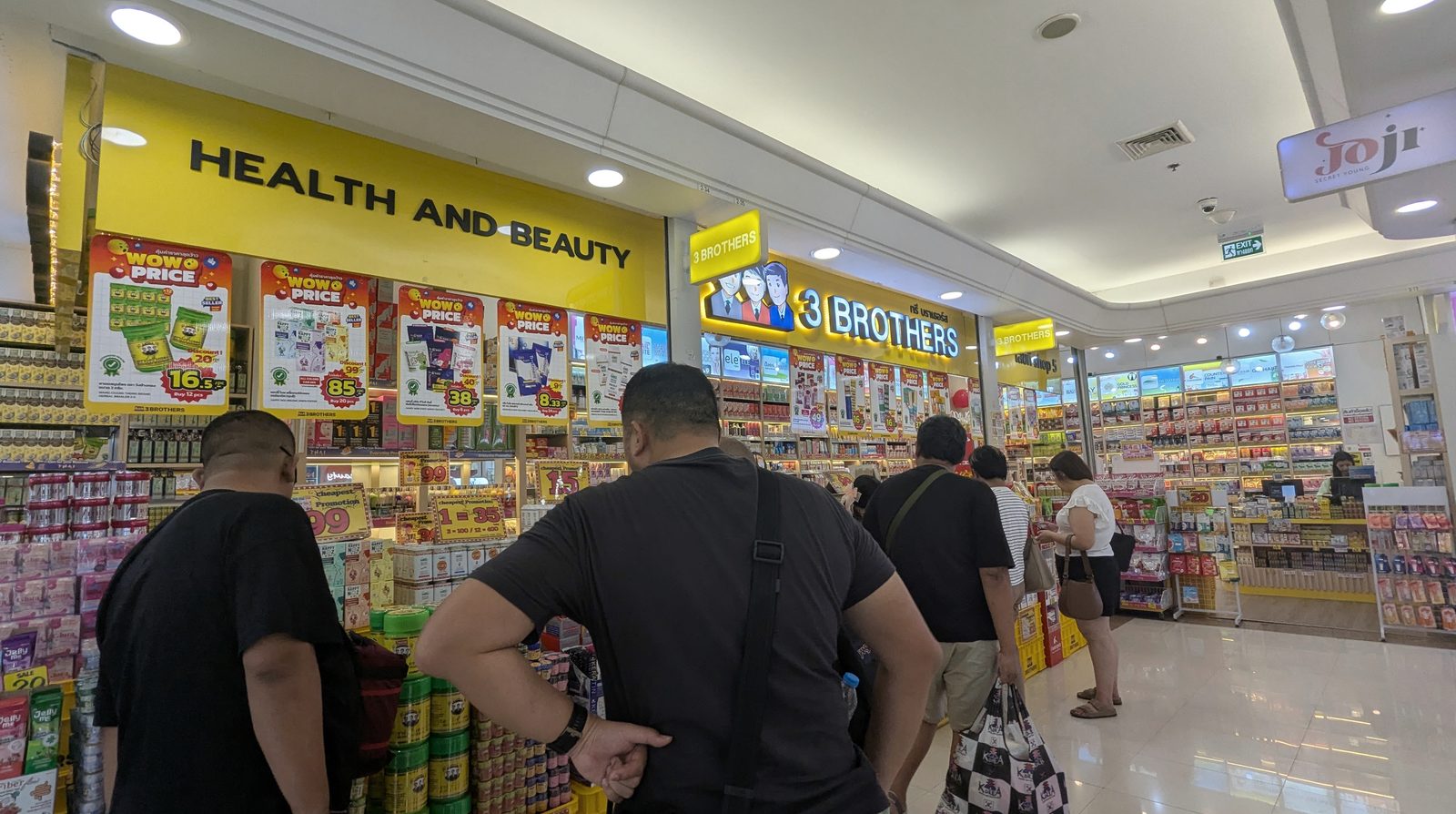
Customers experiencing shopping directly in-store. Photo: LuzViMindaLife, Wikimedia Commons, CC BY-SA 4.0.
7 phygital examples in Vietnam
QR menus and table ordering
Coffee shops and restaurants put a QR code on each table; guests scan it to browse the menu, order and pay right on their phone - no waiting for a server.
What small businesses can learnEven a cheap QR code reduces staffing pressure at peak hours and captures data on your best-selling items.
Digital loyalty tied to physical stores
Retail chains let customers earn points via an app or phone number with every purchase at the counter, then send personalized offers back to their phone.
What small businesses can learnA simple loyalty program turns walk-in customers into regulars and opens a channel for repeat-purchase reminders.
Virtual try-on and smart mirrors
Some fashion stores let shoppers try outfits virtually through an app or screen, previewing combinations before trying them on for real.
What small businesses can learnNo need for an expensive AI mirror; a set of outfit photos with a QR code already helps customers visualize and decide faster.
Self-service digital counters
Banks place kiosks and digital experience zones in branches where customers open accounts and issue cards themselves, with staff stepping in when needed.
What small businesses can learnCombining digital self-service with human help at the right moment keeps things fast without losing trust.
Digital check-in and live interaction
Events use QR check-in, smart wristbands and interactive screens to personalize the experience and collect instant feedback.
What small businesses can learnQR check-in plus one simple digital form is enough to measure attendance and follow up after the event.
AI assistants threading chat to in-store purchase
Customers message a business, get advice from an AI agent, reserve or pre-order, then walk into the store and pick up without repeating themselves.
What small businesses can learnAn AI Agent that connects chat to the physical point of sale is phygital in its easiest-to-deploy form.
Interactive showrooms and virtual tours
Showrooms combine physical mockups with 3D tours: customers explore in person, then continue online at home.
What small businesses can learnA tour video with a QR code in the showroom extends the experience after the customer walks out.
The 3-layer framework of a phygital experience
Every example above is built on 3 layers. Understanding this framework helps you design experiences deliberately instead of patching things together.
The store, products, staff and space customers experience directly.
Apps, QR codes, web, chat and the data that ties interactions together.
AI personalizes, advises and threads the experience between physical and digital.
Where should a small business start?
Not everywhere at once. Pick the touchpoint where customers get stuck most - long waits to order, or no advice outside opening hours - and digitize exactly that. Measure the result, then expand. This is how Chạm AI designs spaces and experiences for clients; see our selected projects and services.
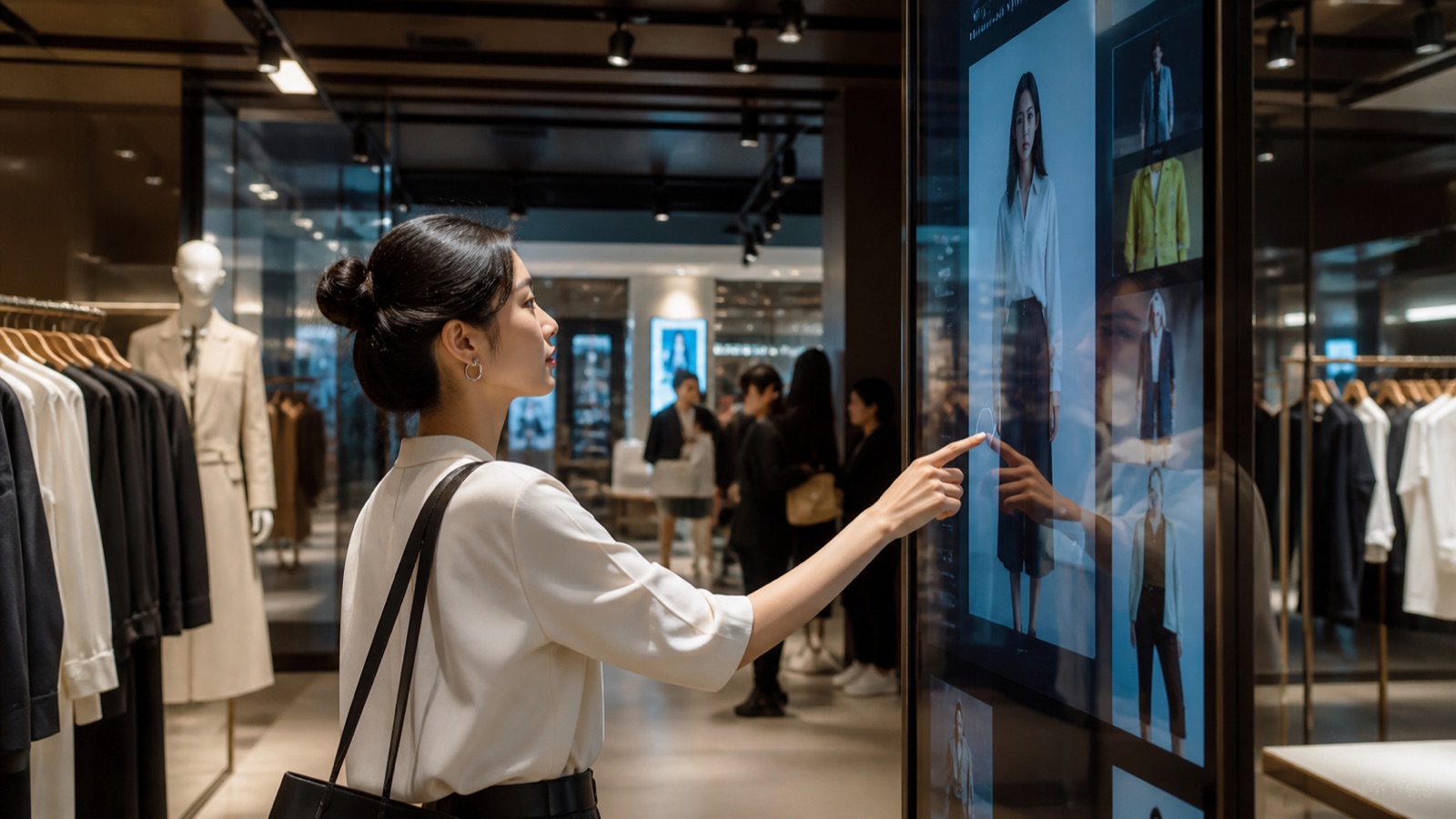
A dedicated visual selected for this article. Editorial illustration generated with AI.
Frequently asked questions
What is a phygital experience?
The seamless combination of physical and digital touchpoints in one customer journey - for example, scanning a QR code in the store to view a product, ordering online and picking up at the counter.
Can small businesses do it?
Yes. A QR menu, a digital loyalty program, or an AI agent threading chat to in-store purchase are all phygital. Start with 1 touchpoint with clear value, then expand.
How is phygital different from multi-channel?
Multi-channel means being present in many places, possibly disconnected. Phygital emphasizes seamlessness: data and experience threaded end to end between physical and digital.