What is phygital? The future of brands in the AI era

Customers no longer separate online from offline. They browse on their phone, visit the store, then message you to complete the purchase. Phygital is how brands respond to that behavior. So what exactly is phygital, and why is it the future?
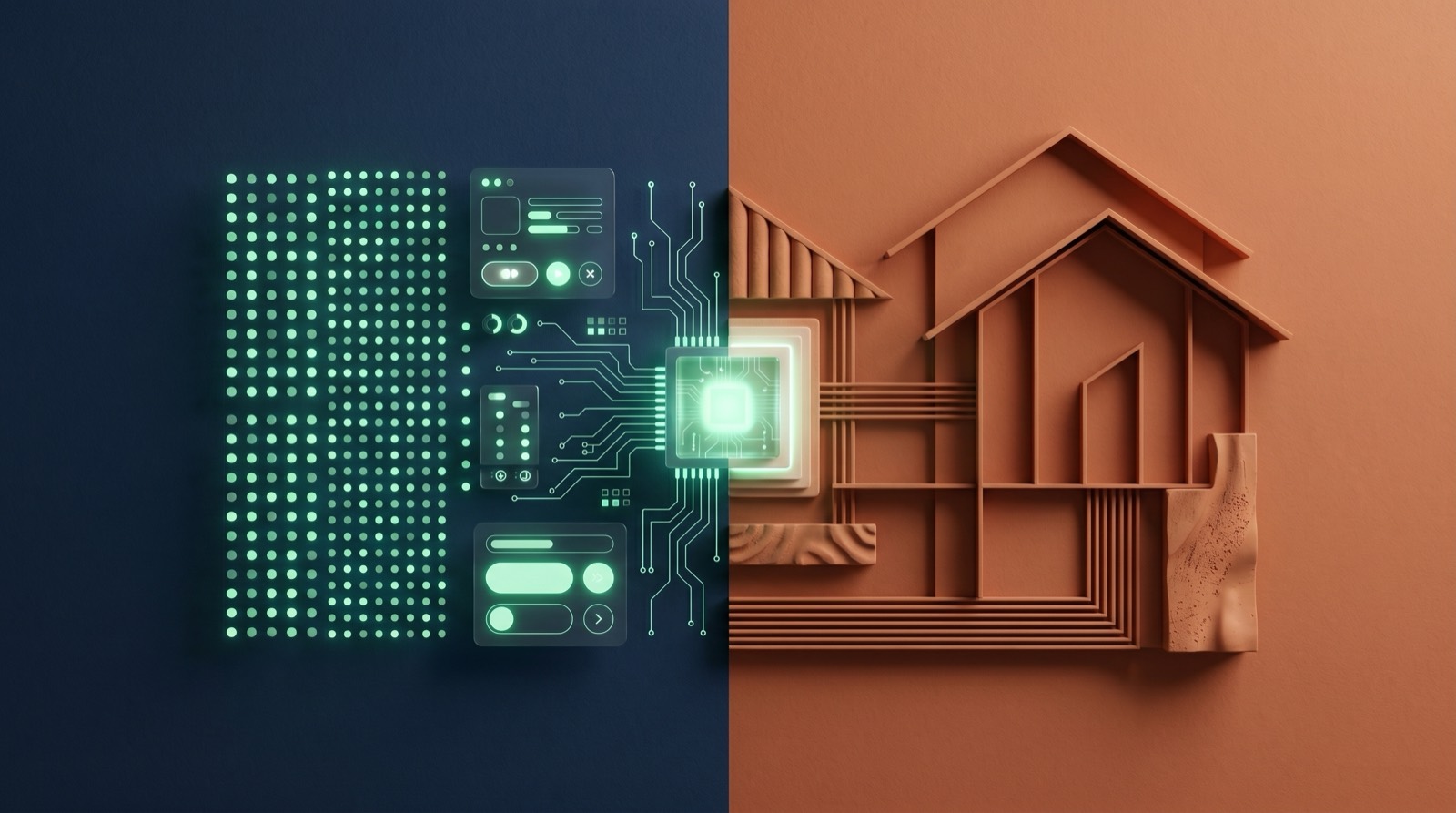
Phygital is the merger of physical and digital, creating a seamless brand experience across physical space and digital environments. In the AI era, an AI layer such as an AI Agent becomes the bridge that lets these two worlds respond to each other in real time.
What is phygital?
Phygital is a portmanteau of physical and digital. The term describes a brand experience in which physical space and digital environments merge into one, to the point where customers no longer perceive a boundary between offline and online. Every touchpoint - store, website, social media, messaging - is consistent and reinforces the others.
Familiar examples: scanning a QR code in a store to see product details, ordering online and picking up at the counter, or chatting with an assistant that knows your full purchase history even though you visited the showroom just yesterday.

Shoppers moving through a modern mall. Stock photo (CC0).
How is phygital different from omnichannel?
Phygital is often confused with omnichannel. They are related but not the same.
| Criteria | Omnichannel | Phygital |
|---|---|---|
| Focus | Synchronized presence across many channels | Merging the physical and digital experience into one |
| Online/offline boundary | Still exists, merely connected | Blurred away - customers stop distinguishing |
| Role of technology | Synchronizing channel data | AI, QR and data responding in real time |
| Customer perception | Multiple channels of the same brand | One single seamless journey |
Why is phygital the future of brands?
Customer behavior has changed for good. People move constantly between the two worlds and expect brands to keep up. Academic research on the future of retail treats phygital as a core direction for customer experience rather than a passing trend[2], while studies on omnichannel behavior show that multi-channel shopping habits have become ingrained[3]. Concretely, phygital delivers:
- A consistent experience across every touchpoint, increasing trust and conversion.
- Useful data that links offline and online behavior for deeper personalization.
- Differentiation that is hard to copy, because competitors struggle to replicate a unified experience system.
- Operational efficiency, as automation connects the store, inventory and digital channels.

A large retail space blending digital and physical experience. Photo: Cnkaufmann, Wikimedia Commons, CC BY-SA 4.0.
The three pillars of a phygital brand
The digital layer
Brand, website, UX/UI, content and SEO/GEO so you can be found and trusted in the digital environment.
The physical layer
Space, architecture and the in-store experience - where the brand can be touched in real life.
The AI layer (the bridge)
AI Agents and data connect the two worlds, so online and offline respond to each other in real time.
The AI layer is what's new about this era. An AI Agent trained on your brand can link in-store behavior with conversations on your website and messaging channels, turning phygital from an idea into day-to-day operations.
How do you start building a phygital brand?
- Unify identity and messaging across both physical and digital spaces.
- Design the customer journey across offline and online, and find the broken links.
- Add the AI layer - an AI Agent that connects data and responds in real time.
- Measure and optimize the experience and conversion of every touchpoint.
This is exactly how Chạm AI Agency operates as a phygital agency: unifying brand, physical space and AI Agent under one single team. See our AI Agent for business page or our phygital projects.
Frequently asked questions about phygital
What is phygital marketing?
Marketing that combines physical and digital experiences into one seamless journey - for example, an in-store campaign tied to digital interactions and data for personalization.
Can small businesses go phygital?
Yes. You don't need complex technology from day one. Start with consistent identity plus an AI Agent connecting your store to your chat channels, then expand gradually.
What role does AI play in phygital?
AI is the bridging layer. It helps online and offline understand each other, personalizes the experience and automates touchpoints in real time.
References
- Capital One Shopping Research - Omnichannel Statistics (91% omnichannel shoppers; +16% spend per order; +30% LTV; 81% start online; 56% use their phone in store).
- ScienceDirect - Retail futures: customer experience, phygital retailing (academic research, Journal of Retailing and Consumer Services).
- Wiley, International Journal of Consumer Studies - Omnichannel shopping habit development (academic research).