Retail space design in the AI era: phygital principles


Customers walk into the store with a phone in hand - browsing shelves while they look things up, compare prices and ask friends. Retail space in the AI era is designed for exactly that behavior, instead of pretending online and offline are 2 separate worlds.
Retail space design in the AI era means phygital design: merge the physical and digital experience into one journey, place digital touchpoints such as QR codes, screens and kiosks where they belong, collect data to personalize, and use AI to continue the experience between store and phone. No teardown needed - start with 2-3 touchpoints that solve a clear pain.
Why must retail space change?
Buying behavior has already shifted: most customers research online before they visit, and industry studies consistently put the share of shoppers who use their phone inside the store above 70%. A space that only optimizes physical display misses most of the journey. AI-era design treats the store as one touchpoint in a phygital ecosystem - see What is phygital and 7 real phygital examples from Vietnam.
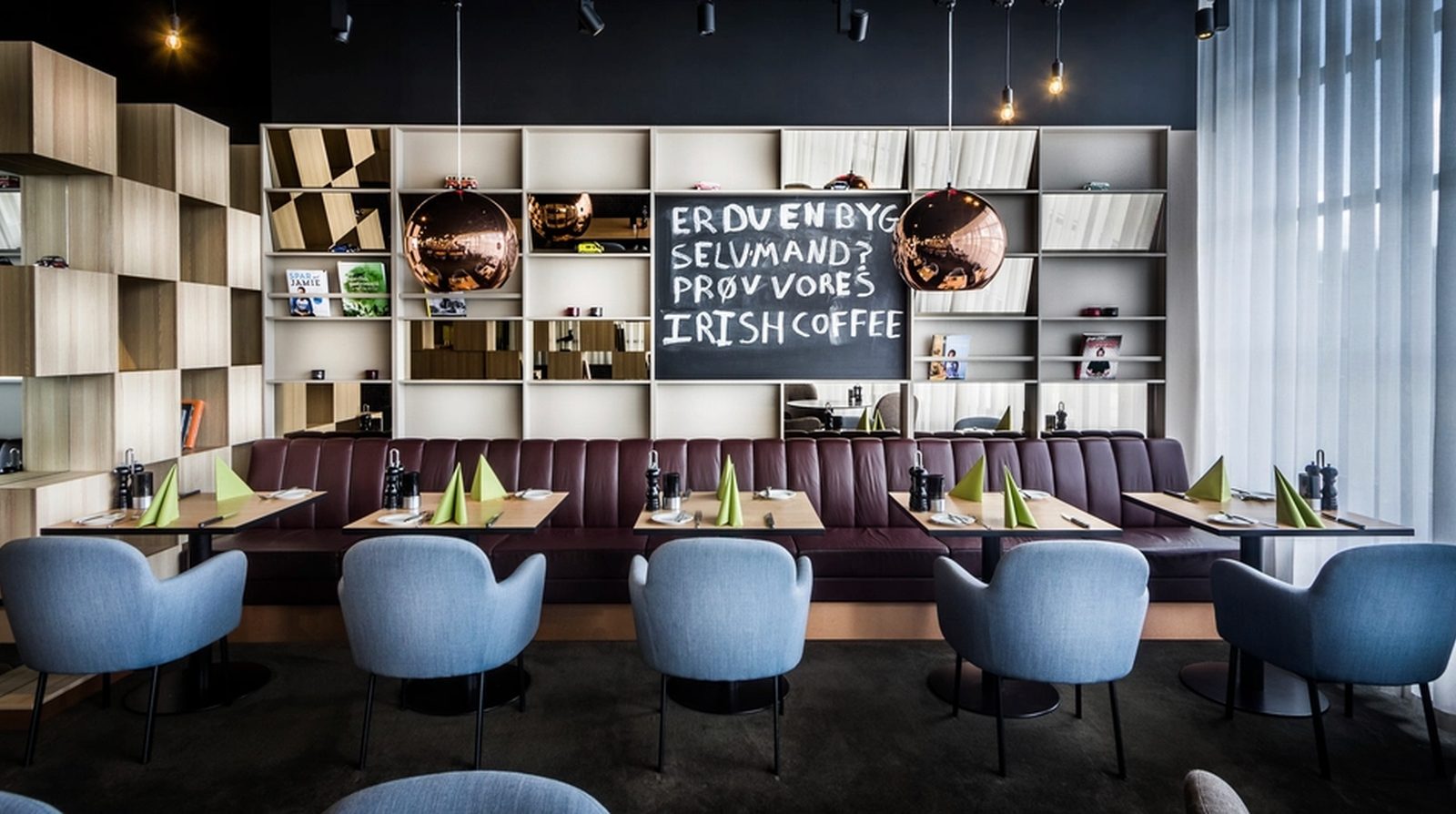
A modern retail space designed around the customer experience. Stock photo (CC0).
Design principles
Journey first, technology second
Start from the customer journey and place digital touchpoints exactly where customers need them - never bolt on tech at random.
Seamless on and off
Let customers move between the store and their phone without having to start over.
Data is a material
Design to collect data with consent, then use it to personalize suggestions and optimize the layout.
People at the center
Technology supports staff and customers - it does not replace the human connection that makes a store worth visiting.
Digital touchpoints inside the store
- QR codes at display areas linking to details, reviews and ordering.
- Advisory screens or virtual assistants that suggest products by need.
- Self-service kiosks for lookup, ordering or pickup.
- Flexible checkout connected to personal offers and digital loyalty points.
You do not need all 4 at once. Pick the touchpoint that removes your customers' biggest friction first.
How Chạm AI approaches it
Chạm combines spatial design strength with AI: we design the floor plan and digital touchpoints deliberately, then add an AI layer to personalize and thread the experience together. This intersection of architecture and technology is rare among agencies. See our services and selected projects.

A dedicated visual selected for this article. Editorial illustration generated with AI.
Frequently asked questions
How is it different from traditional design?
Traditional design optimizes walking flow and physical display. In the AI era, the space merges with a digital layer: touchpoints sit inside the journey, data personalizes the visit, and the experience continues between store and phone.
Do small businesses need to redesign their stores?
No teardown required. Start with a few digital touchpoints in the right places - a QR code at the display area, for instance - designed intentionally around the customer journey.
What role does AI play in a retail space?
AI is the connecting layer: it personalizes recommendations, runs virtual assistants at touchpoints, analyzes behavior to optimize the layout, and threads a conversation from chat to purchase at the counter.