Case study: Apple Store - selling experience, not devices

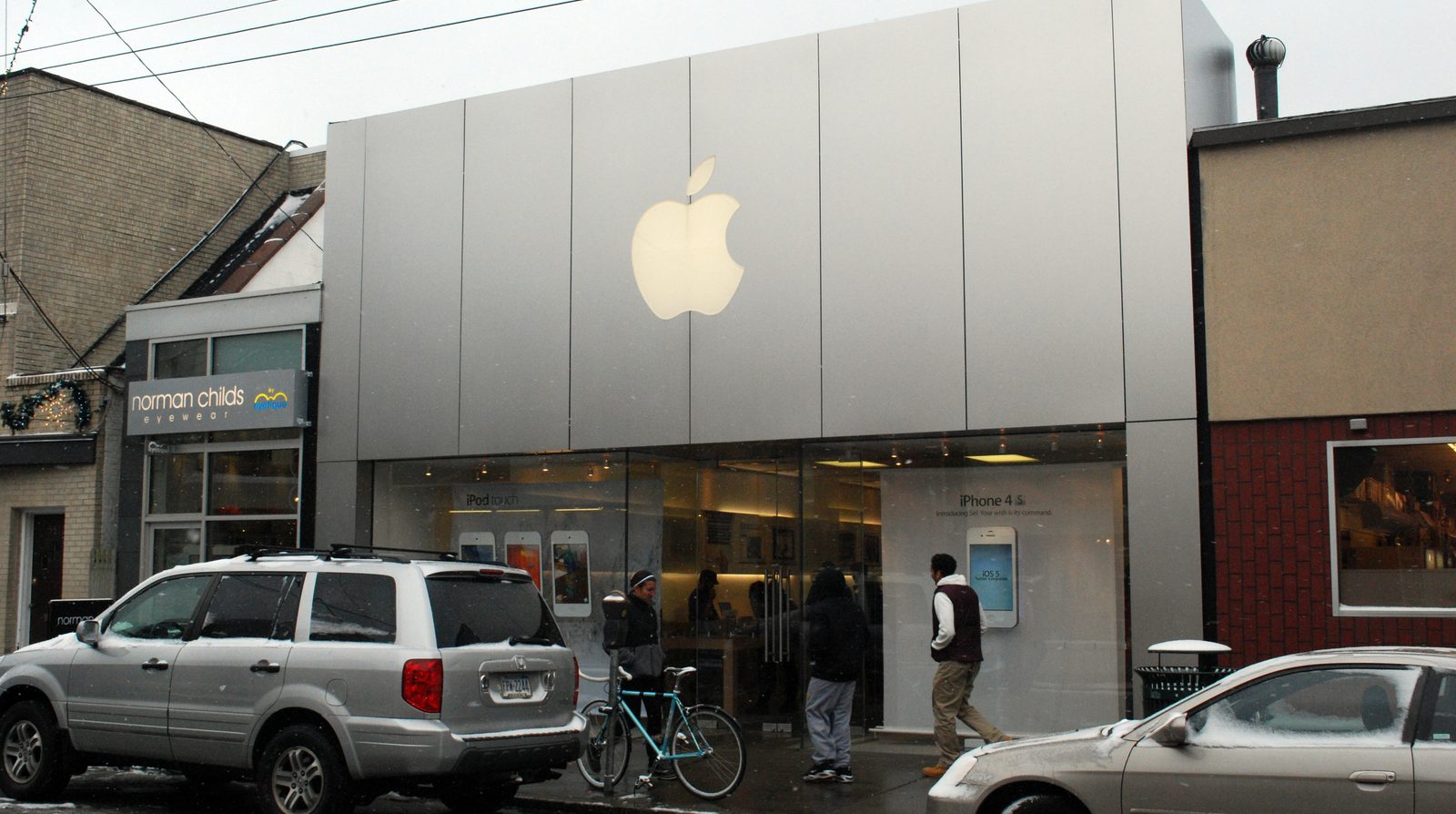
An Apple Store facade with the apple logo. Stock photo (CC0).
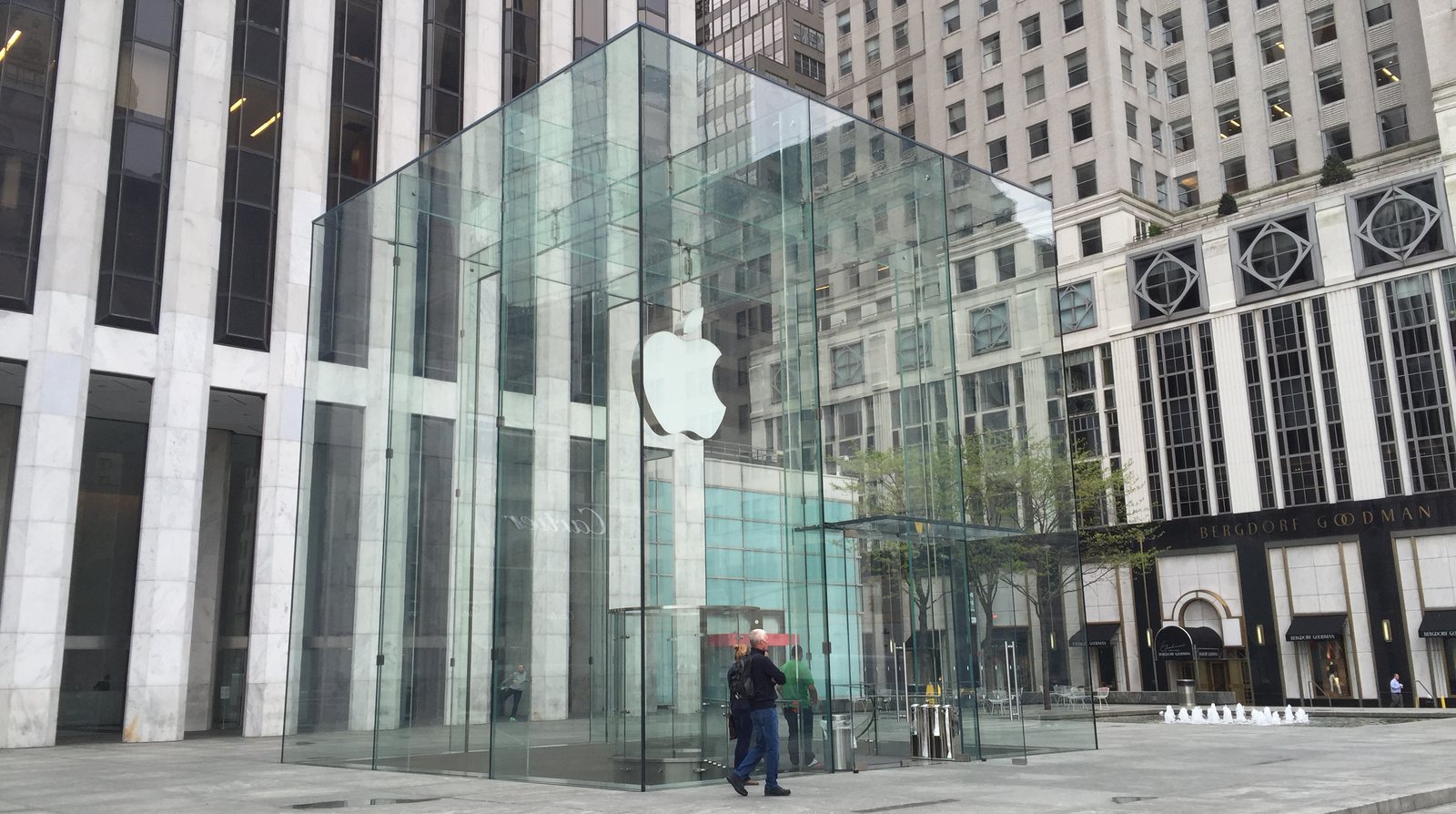
Photo: Apple Store Fifth Avenue, New York. Kanesue / Wikimedia Commons, CC BY 2.0
The Apple Store was never designed to sell devices as fast as possible. It was designed to make people want to walk in, touch everything and stay. That is why it became the world's benchmark for phygital retail.
Apple Store sells experience instead of just products: open spaces for unhurried try-outs, staff who advise without chasing quotas, the Genius Bar for support, and seamless journeys across app, web and store (buy online and pick up in store, book appointments in the app, self-checkout). The store becomes a place to build the brand and the relationship. The lesson: turn your store into an experience hub and wire it to your digital channels.

What Apple did
- An experience space: open tables, products switched on and ready, customers try anything for as long as they like with no pressure to buy.
- The Genius Bar: technical support right inside the store, turning after-sales service into a brand touchpoint instead of a cost center.
- Seamless digital-physical: buy online and pick up in store, book appointments through the app, scan and self-checkout with the Apple Store app.
- One synced account: every device and every purchase history connects through the Apple ID, so the journey continues across channels.
Why it works
Apple puts experience and relationships ahead of the immediate sale. Customers come to feel the products and get honest help, so they trust the brand and come back. Store and digital reinforce each other - one journey, many touchpoints, the essence of phygital. That trust compounds into durable revenue.
Lessons for smaller retailers
Make the store a place customers want to stay, not just a place to sell. Generous try-outs, advice without pressure, genuine support, and a store wired to digital channels: pre-orders, in-store pickup, a membership account.
The same principle drives the phygital formats Vietnamese businesses are adopting: the space tells a story and serves the experience. It works at any scale, as long as the customer sits at the center - and an AI Agent can be the digital half of that journey for a fraction of Apple's budget.
A dedicated visual selected for this article. A dedicated editorial visual selected for this article.
Frequently asked questions
What makes Apple Store successful?
It sells experience, not just devices: open try-out spaces, no-pressure advice, Genius Bar support and seamless app-web-store journeys. The store builds relationships and the brand.
How does Apple connect online and offline?
Buy online and pick up in store, book the Genius Bar through the app, scan and self-checkout in the app, and everything syncs through the Apple ID. One journey, no seams.
What can smaller retailers copy?
Turn the store into an experience hub: generous try-outs, advice without pressure, and connect the store to digital channels. A space that makes customers want to linger beats one built only to sell.