7 phygital formats Vietnamese businesses are adopting with AI

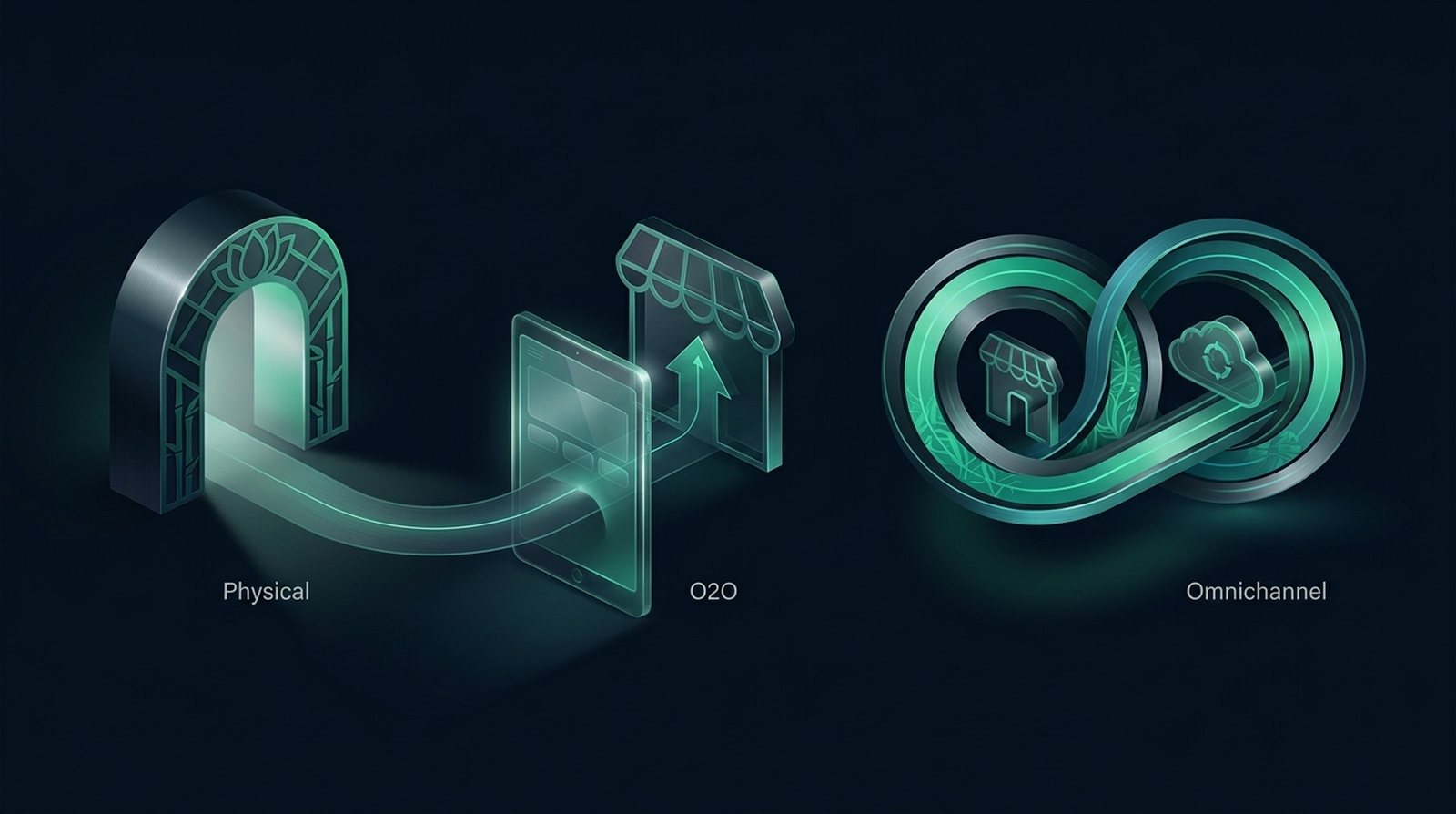
Diagram: 7 formats ordered by investment - SMBs should move left to right.
Phygital in Vietnam is no longer a concept on paper. From small coffee shops to hundred-store retail chains, physical touchpoints are getting a digital + AI layer at every budget level. This article surveys the 7 most common formats - with real costs and advice on where to start.
The 7 common phygital + AI formats in Vietnam, ordered by cost: (1) QR menu + AI ordering, (2) chat channel + AI Agent, (3) in-store livestream + AI order capture, (4) personalized loyalty, (5) Click & Collect, (6) self-service kiosks, (7) virtual try-on/AR. SMBs should start with formats 1-2-3 (200-1,600 USD, results within 1-2 months) before investing in expensive hardware.
Why is Vietnamese phygital booming alongside AI?
Three conditions matured at once. First, QR habits are universal after 2021-2022 - from menus to VietQR payments, customers no longer need teaching. Second, Zalo reaches nearly the whole population - businesses have a digital channel to customers without forcing a new app install. Third, AI Agents became cheap - work that once needed a developer team is now handled by an AI Agent for a modest monthly cost.
The result: the gap between "only big chains can afford this" and "the corner cafe can do it too" has never been narrower. Here are the 7 formats, from cheapest to priciest.
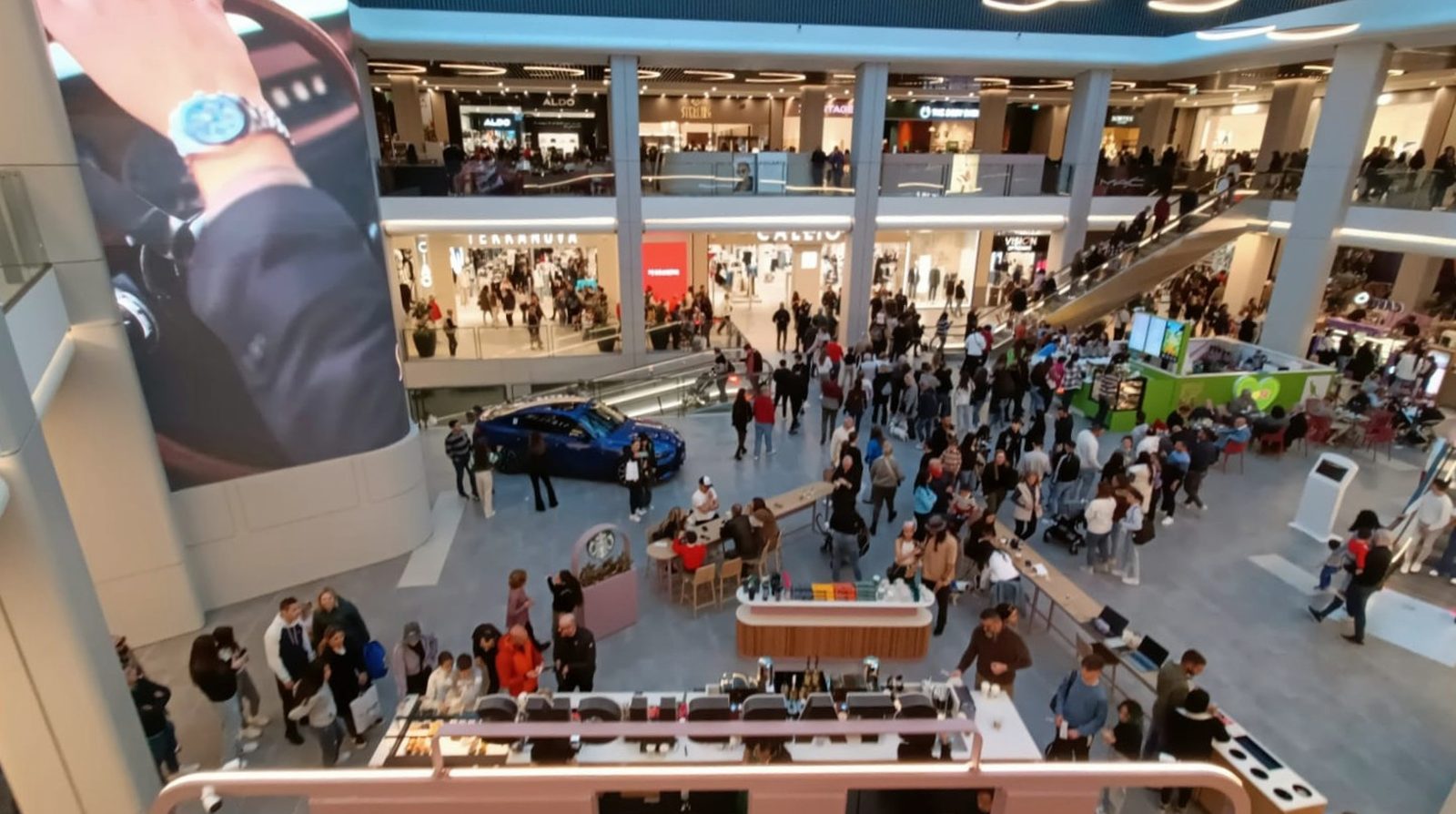
A shopping mall where digital and physical experiences merge. Stock photo (CC0).
The 7 phygital + AI formats
QR menu + AI-assisted ordering
Customers scan a QR at the table, browse the menu, order and pay without flagging staff. The AI layer upgrades the experience: recommendations from history ("your usual, less sweet?"), answers about dishes ("is this spicy?"), and well-timed upsells ("upgrade to large for 15k").
Why it works: lighter staff load at peak hours, average order value up 10-20% from recommendations, and most importantly - every scan is a row of customer data.
Chat channel + AI Agent as a "digital receptionist"
A QR at the counter opens the business's Zalo channel; from there an AI Agent books appointments, sends reminders, answers questions and follows up after the visit - 24/7. This is the most "invisible" phygital format but the most effective for spas, dental clinics, salons and gyms.
Why it works: it bridges the in-store experience and everything after - the customer walks out the door but the relationship does not end. No-show rates drop measurably with automatic reminders.
Livestream from the real store + AI order capture
Streaming from the actual store - real stock, real people - builds far more trust than a studio. AI helps: answering repeated comments ("is size M left?"), capturing orders from comments, sending payment links automatically, and analyzing which time slots and content formats convert.
Why it works: it is the phygital format most aligned with Vietnamese shopping culture today - and it flows both ways: live viewers get invited to the store, in-store customers get invited to follow the channel.
Personalized loyalty by customer segment
Points are not new - what is new is the AI layer that segments and personalizes: regulars get "2 more drinks to your free one", lapsed customers get win-back offers, VIPs get greeted by name. The full playbook is in Phygital + AI Agents: personalizing every customer.
Why it works: it raises the return frequency of the 20% of customers who drive 80% of revenue - the group most worth investing in.
Click & Collect - order online, pick up in store
Customers order via web/app/chat and pick up the same day - no shipping wait, no delivery fee. The AI Agent orchestrates: confirming per-branch stock, scheduling pickup, messaging when the order is ready. The pickup moment is a natural upsell opportunity.
Why it works: it uses existing stores as fulfillment points and pulls online traffic into the physical space.
Self-service kiosks + smart screens
Order kiosks at bubble tea chains, fast food and cinemas. The AI layer: combo suggestions by time of day, member recognition by phone number for automatic offers, and menus that adjust to real inventory.
Caveat: only worthwhile at sufficient volume (200+ orders/day/location) - below that, a QR menu at a tenth of the cost does 80% of the same job.
Virtual try-on / AR at the point of sale
Smart mirrors for trying lipstick without removing makeup, virtual glasses fitting, previewing furniture in your own room through a phone camera. Major beauty brands in Vietnam run this in flagship stores; the underlying AR technology keeps getting cheaper.
Caveat: this is the "wow factor" format - high PR and experience value, but measure the real conversion lift carefully so it does not become expensive decoration. Impressive technology does not automatically make a sustainable business model.
Where to start? A 3-phase path for SMBs
- Phase 1 (months 1-2): QR + chat channel + AI Agent for answers and bookings (formats 1-2). This is the data foundation: from here you start knowing who your customers are. Prepare your data foundation first.
- Phase 2 (months 3-4): add personalized loyalty (format 4) once the CRM holds a few hundred customers. If you sell products, add livestream + AI (format 3) or Click & Collect (format 5).
- Phase 3 (from month 6): consider hardware (kiosks, screens, AR) only when the data proves the volume and the "soft" formats have been squeezed for full value.
The golden rule: phygital rarely fails because the technology is weak - it fails because hardware gets bought before data and process exist. A 3,000 USD touchscreen cannot save a store that takes 4 hours to answer customer messages. Go from soft (QR, chat, AI Agent) to hard (kiosks, AR) - never the other way.
A modern retail space with digital screens. Photo: PattayaPatrol (CC BY-SA).
Frequently asked questions
Which phygital format is most common in Vietnam?
QR codes at the point of sale: QR menus in restaurants, VietQR payment codes in most shops, and QR codes that open a business's Zalo channel. The reasons: near-zero cost, Vietnamese customers became fluent QR users during 2021-2022, and no new app installation is required.
How much does phygital + AI cost for a small store?
Entry level: QR + a chat channel + an AI Agent answering automatically costs roughly 200-600 USD to set up. Mid-tier: adding loyalty and personalized offers runs about 800-2,000 USD. Self-service kiosks or interactive screens start around 1,200-4,000 USD per location. Start with QR before investing in hardware.
Does livestream selling count as phygital?
Yes, when it connects both ways with a physical location: streaming from the real store builds trust, customers order online and pick up in store, and live viewers get invited to visit in person. AI helps answer repeated comments, capture orders during the stream and analyze which time slots convert best.