Case study: Nike's winning phygital ecosystem

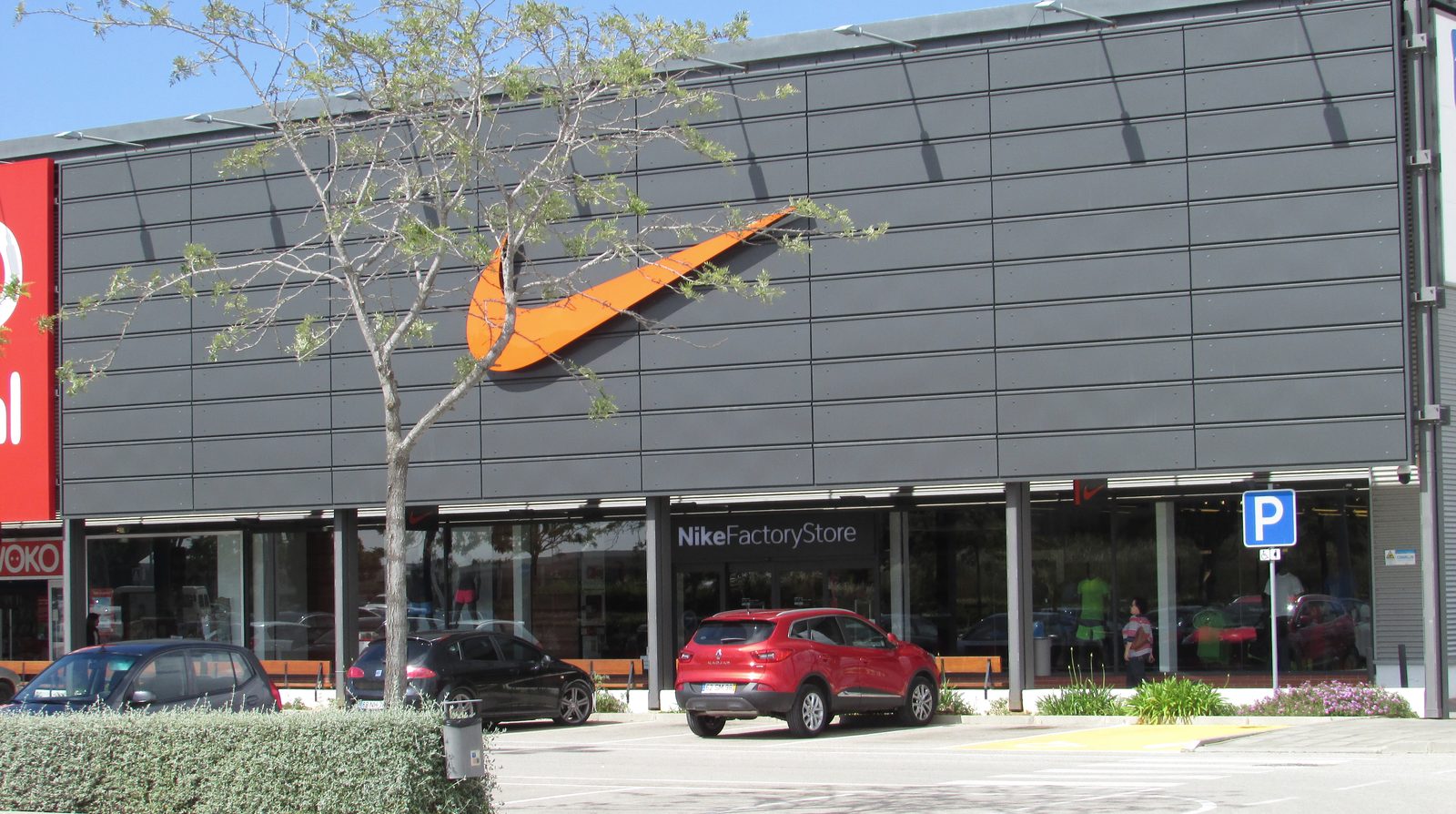
A Nike store with its bold swoosh logo. Photo: Kolforn, Wikimedia Commons, CC BY-SA 4.0.
Nike never treated its apps as a side channel. It made them the center of a phygital ecosystem where physical stores, membership and data all serve one seamless experience. It remains one of the most successful phygital plays in retail.

Nike put its apps at the center: Nike, Run Club, Training Club and SNKRS create real value for users and collect first-party data in return. Stores connect to the app, shoppers become members, and Nike pushes direct-to-consumer sales. Digital and physical reinforce each other, lifting engagement and direct revenue. The lesson: build a digital touchpoint with real value first, then wire it to your stores and your data.

Context
As the world's leading sportswear brand, Nike saw early that customers move constantly between their phone and the store. Instead of letting online and offline drift apart, Nike built an ecosystem where every touchpoint tells the same story and collects signals for personalization.
What Nike did
- Apps with real value: workout tracking, coaching content, member perks and limited sneaker drops via SNKRS keep customers opening the apps week after week.
- Connected stores: scan products, check stock, reserve items and pick up in store - the in-store experience is wired to the app.
- Membership: the free membership program turns anonymous walk-ins into customers with a profile and a history.
- Direct-to-consumer: Nike pushed its direct channel hard to own the customer relationship and the data, instead of depending on wholesalers.
The results
The ecosystem raised the share of digital and direct revenue, deepened engagement and gave Nike the customer understanding to personalize at scale. Stores were not replaced - they became one link in a seamless journey. It is a textbook example of phygital done right.

Lacing up before a run, the spirit of sport. Stock photo (CC0).
Why it works
The key: the apps deliver real value first, so customers use them voluntarily and leave data behind - nobody is forced. That gives Nike a data foundation for personalization and a direct line to its customers. Digital and physical reinforce each other, which is the essence of phygital rather than disconnected multichannel.
Lessons for smaller businesses
You do not need Nike's budget. The transferable playbook: build ONE digital touchpoint with real value (an app, a Zalo OA, a membership program), connect it to your physical store, collect data with consent, and use it to personalize and bring customers back.
For a lightweight way to start in that direction, an AI Agent that connects chat to in-store purchases does the same job at a fraction of the cost - see AI Agents for business and real examples in 7 phygital formats in Vietnam.
Frequently asked questions
How does Nike do phygital?
It puts apps at the center (NRC, Training Club, SNKRS), turns shoppers into members, wires stores to the app, and pushes direct sales to collect and use data for personalization.
Why does it work?
Because the apps create real value first, so customers use them voluntarily and leave data behind; digital and physical reinforce each other, lifting engagement and direct revenue.
What can smaller businesses copy?
Build one digital touchpoint with real value (app, Zalo OA, membership), connect it to the store, collect data with consent and personalize to bring customers back.