Case study: LEGO - from near bankruptcy to revival

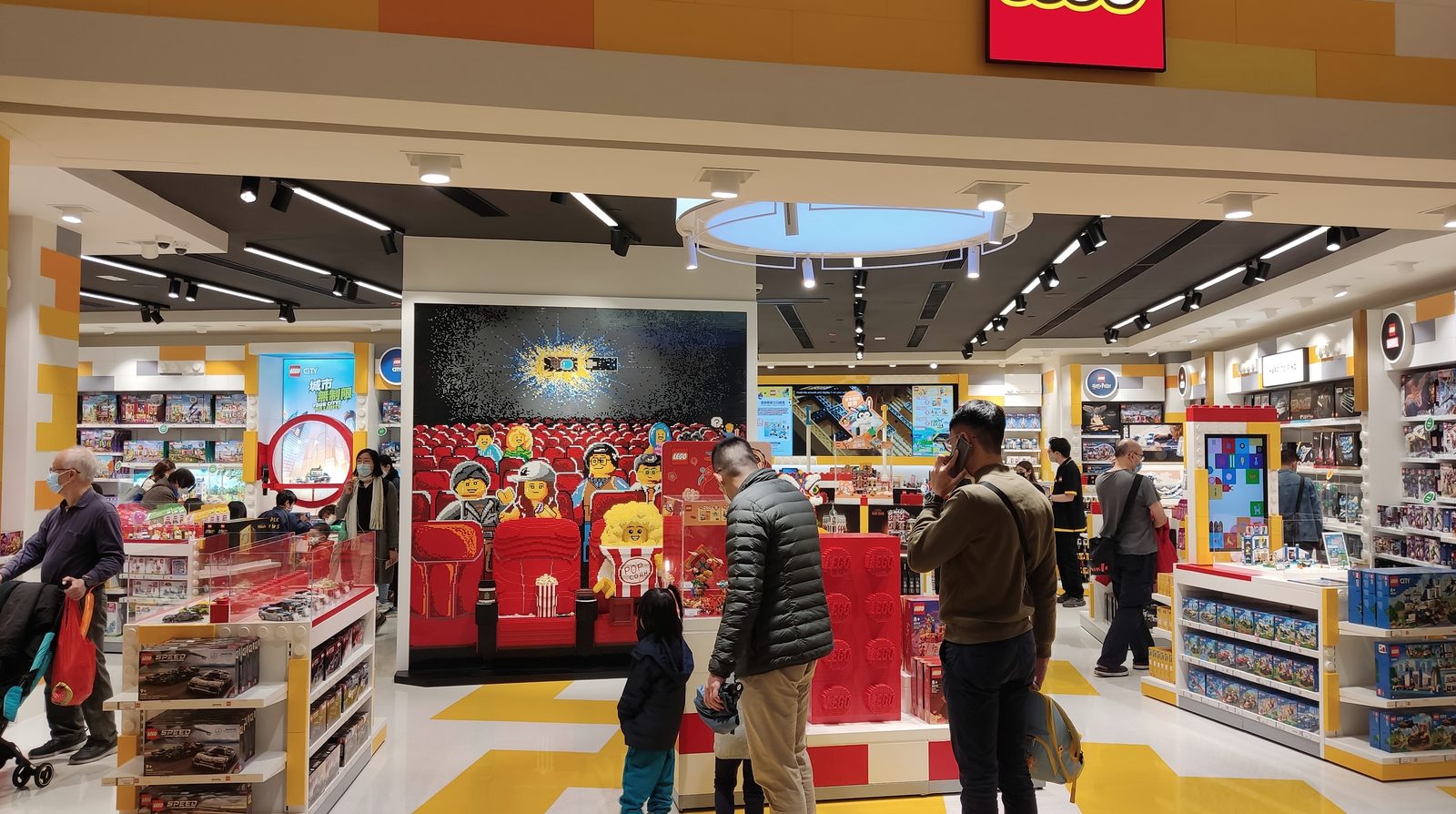
A LEGO store with its signature red logo. Photo: CHAOIEBR bendlarz, Wikimedia Commons, CC BY-SA 4.0.
Photo: LEGO bricks. Benjamin D. Esham / Wikimedia Commons, CC BY-SA 4.0
In the mid-2000s, LEGO nearly went bankrupt after over-expanding and drifting from its core. Its revival is one of the most spectacular turnarounds in business history - powered by returning to the brick and digitizing intelligently.
LEGO hit crisis after diversifying aimlessly and drifting from its core product. It revived by cutting the excess, refocusing on the brick, listening to its fan community (LEGO Ideas), and expanding into digital: games, blockbuster movies, apps and AR. Phygital lets the physical brick live in the digital world. The lesson: focus on the core + listen to fans + digitize the right way.

Context
In the early 2000s, LEGO expanded in too many directions (theme parks, clothing, overly complex products) and drifted from the core brick. Costs ballooned, the product line grew confusing, and around 2003-2004 the company stood at the edge of bankruptcy.
What LEGO did
It cut hard everything outside the core and refocused on the brick and the building experience. At the same time it listened to its community through LEGO Ideas (fans propose new sets), and expanded into digital: hit games, blockbuster movies, apps and AR experiences that connect the physical brick to the digital world.
The results
LEGO not only escaped bankruptcy but rose to become one of the strongest toy brands in the world. Its phygital ecosystem (real bricks + games/movies/AR) and fiercely loyal community became a durable competitive advantage.
Why it worked
LEGO dared to cut in order to focus on what made it LEGO, turned customers into co-creators, and used digital to amplify the physical product rather than replace it. Strategic discipline + listening + digitizing in the right places.
Lessons for smaller businesses
When times get hard, do not diversify aimlessly - return to the core that made you. Listen and let customers participate. Use digital to amplify the physical product, the essence of phygital, instead of chasing trends. For the opposite cautionary tale about technology outrunning its value, read the Amazon Go case study; for the ecosystem version done right, see Nike.
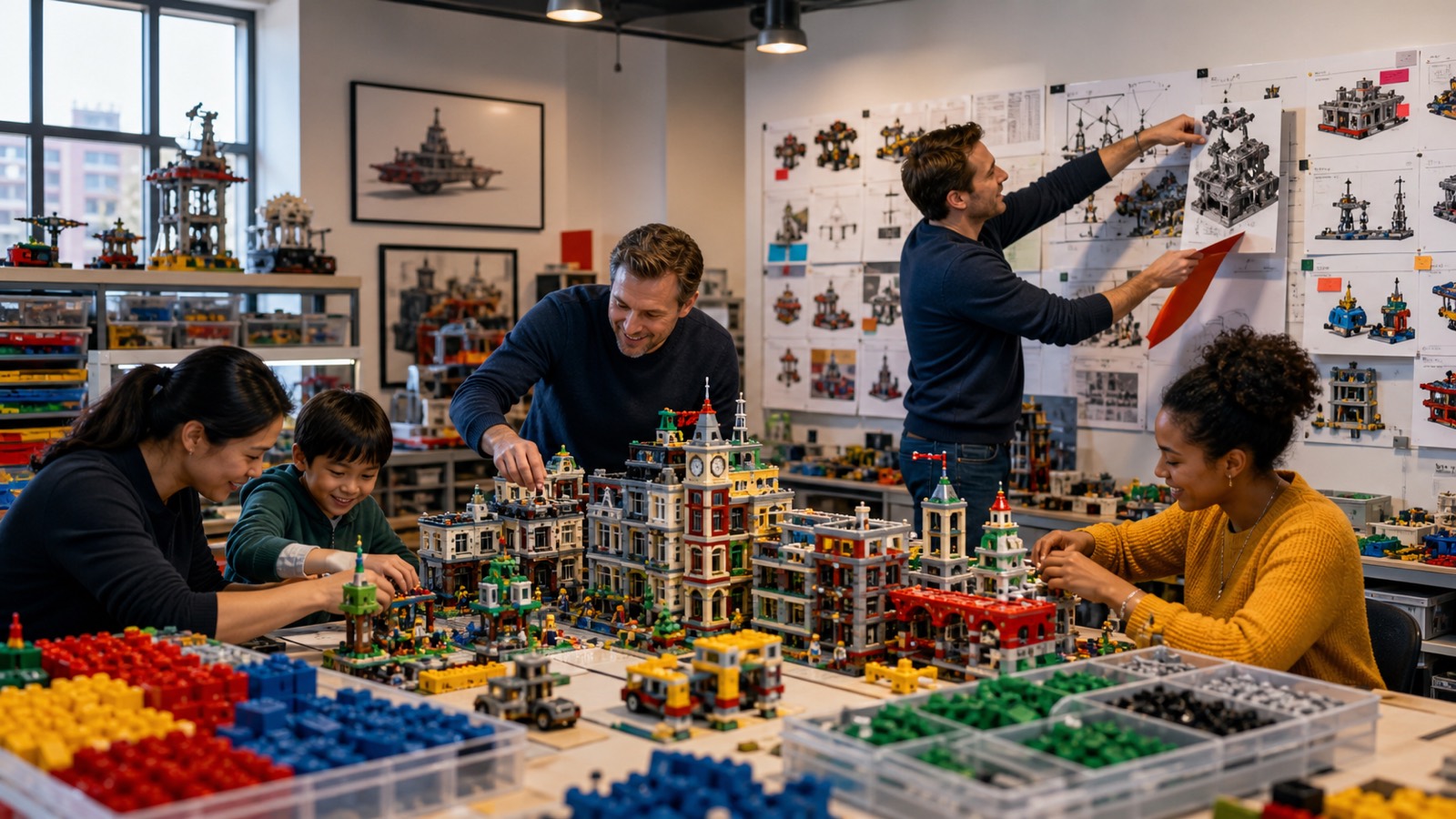
Fans and designers co-creating around the core building system that powered the turnaround. Editorial illustration generated with AI.
Frequently asked questions
Why did LEGO nearly go bankrupt?
It over-expanded in too many directions and drifted from the core brick, ballooning costs and confusing the product line, leading to a crisis around 2003-2004.
How did LEGO turn itself around?
By cutting the excess, refocusing on the core, listening to the community through LEGO Ideas, and digitizing: games, movies, apps and AR connecting real bricks to the digital world.
What can smaller businesses learn?
In hard times, return to the core instead of diversifying aimlessly; let customers participate; use digital to amplify the physical product rather than chasing trends.