Case study: Amazon Go and the limits of phygital tech

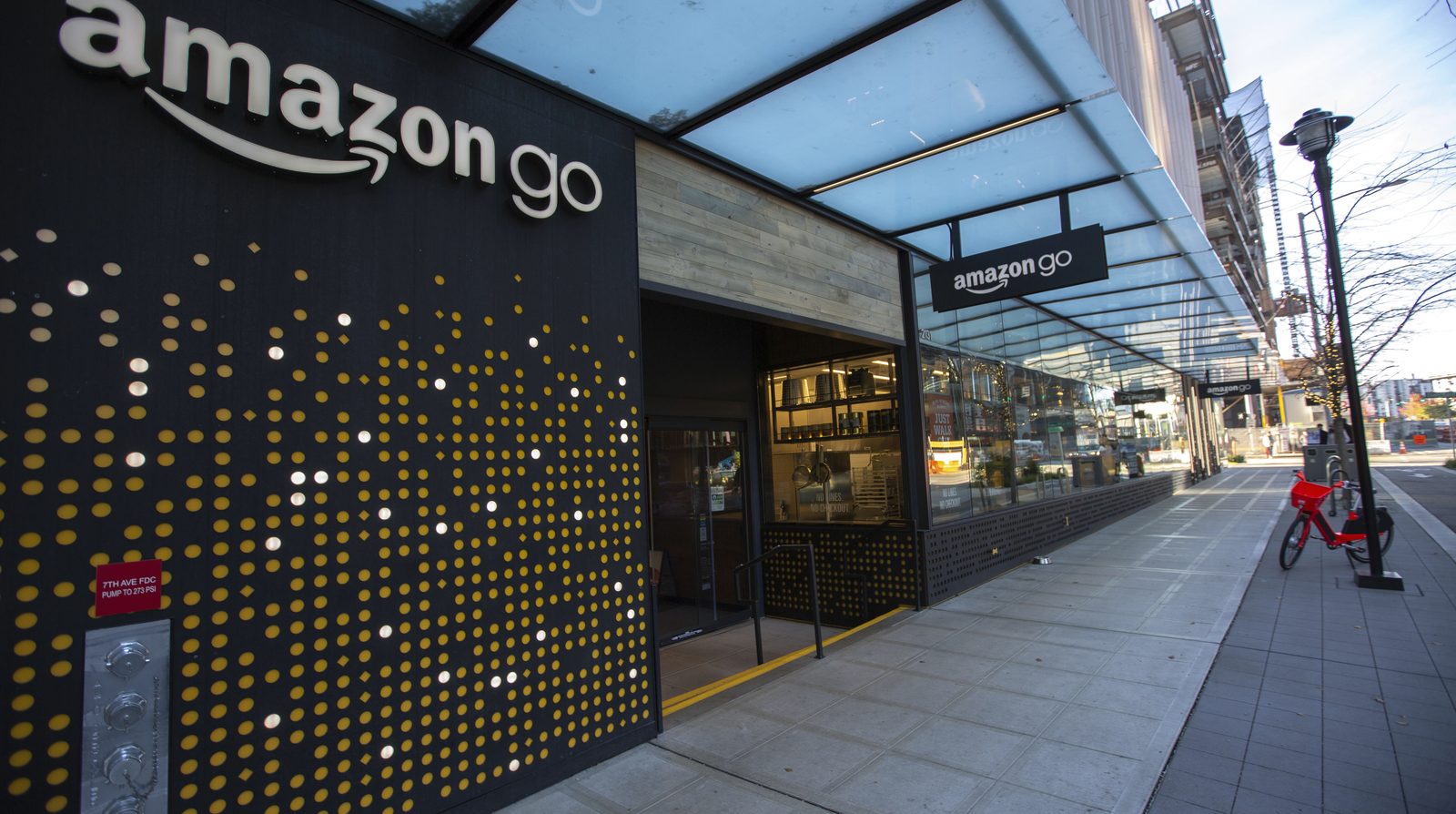
An Amazon Go store with its brand sign. Photo: GoToVan from Vancouver, Canada, Wikimedia Commons, CC BY 2.0.
Amazon Go was once the poster child for the future of retail: walk in, grab your items, walk out - no checkout. But by 2024, Amazon was scaling the technology back in its larger supermarkets. It is one of the most valuable lessons in phygital technology.

Amazon Go uses Just Walk Out technology (cameras and sensors) so customers grab items and leave while the system charges them automatically. The ambition was huge, but installation and operating costs were too high, and human reviewers were still needed behind the scenes. Skipping the line was not worth enough to cover the cost at scale, so Amazon scaled back and pivoted to lighter solutions like smart shopping carts. The lesson: phygital technology has to balance value against cost.

Context
The checkout line is retail's classic annoyance. Amazon bet big on eliminating it entirely with technology, opening cashierless convenience stores from 2018 with plans to scale them everywhere.
What Amazon did
Just Walk Out blankets the store ceiling with cameras and sensors to track what each customer picks up, then charges them automatically as they leave. The customer experience is genuinely impressive: no tills, no lines. Amazon also sold the technology to other retailers and rolled it into some of its larger grocery stores.
The results
In small convenience stores, the model worked well enough. But in large supermarkets with thousands of items, installation and operating costs soared, accuracy was hard to maintain, and plenty of humans were still needed to review transactions behind the scenes. By 2024, Amazon scaled back Just Walk Out in its large US grocery stores and pivoted to smart shopping carts - a lighter, cheaper solution.
A modern convenience store interior. Photo: PattayaPatrol, Wikimedia Commons, CC BY-SA 4.0.
Why it became a cautionary tale
- Cost outgrew value: the technology was impressive but too expensive to operate at scale.
- Not right for every format: it suited small stores but struggled in supermarkets with huge assortments.
- The customer value was not big enough: skipping the line is nice, but not a painful enough problem to justify the enormous cost.
- Sustainable beats spectacular: the lighter solution (smart carts) proved more practical for the long run.
Lessons for smaller businesses
Phygital technology must balance value against cost, and fit your scale. Do not chase impressive technology if it does not solve a real pain or cannot sustain its own cost. Start light, measure results, then expand.
This is the flip side of success stories like Nike's phygital ecosystem and Apple Store: they won because the technology created real value relative to its cost. For most businesses, an AI Agent or a simple digital touchpoint delivers a far better value-to-cost ratio than showpiece tech - see the practical examples in 7 phygital formats in Vietnam.
Frequently asked questions
What are Amazon Go and Just Walk Out?
A chain of checkout-free convenience stores: customers grab items and leave while cameras and sensors (Just Walk Out) charge them automatically. An ambitious phygital experiment to eliminate checkout lines.
Why did Amazon scale it back?
The technology was too expensive and complex at scale, requiring dense sensor coverage and human reviewers. The benefit of skipping the line did not cover the cost, so Amazon pivoted to smart shopping carts.
What is the lesson for smaller businesses?
Phygital technology must create value that clearly outweighs its cost and fit your scale. Start with a lightweight solution, measure, then expand - do not chase spectacle.