Coca-Cola and the controversial AI Christmas ad

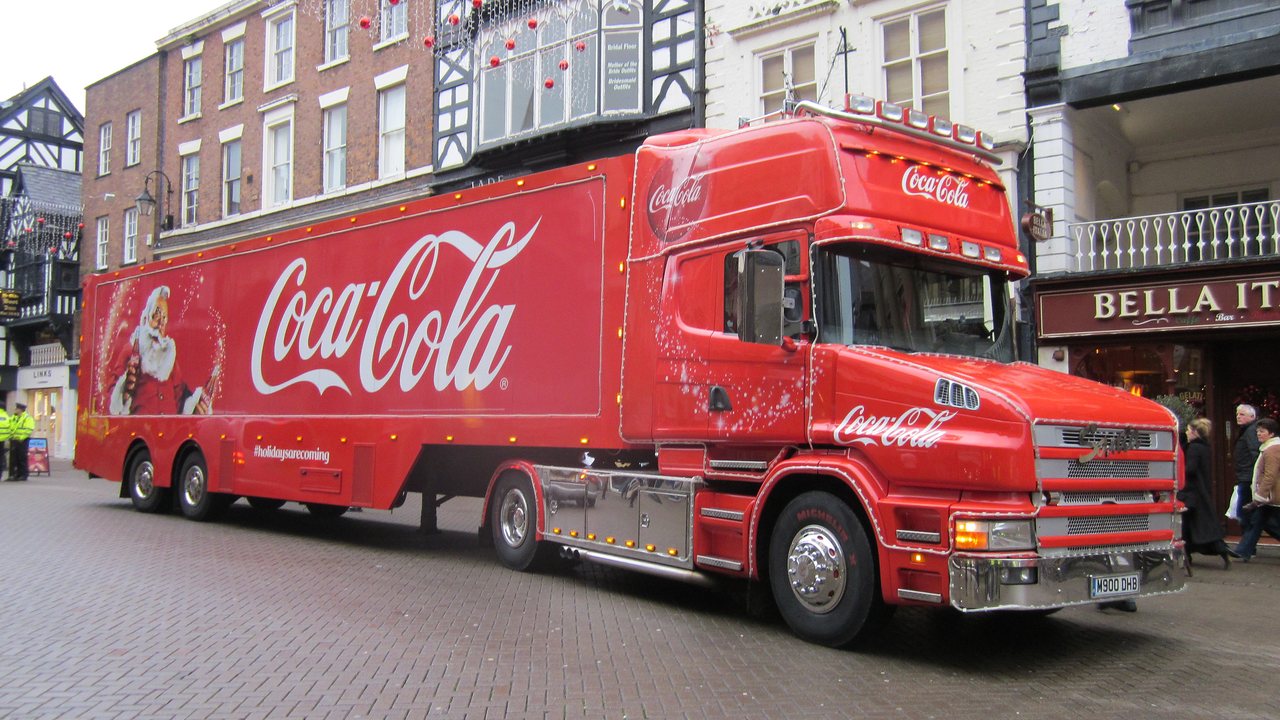
Photo: the Coca-Cola Christmas truck in Chester, UK (2015), Jeff Buck / Wikimedia Commons (geograph.org.uk), CC BY-SA 2.0.
"Holidays Are Coming" is one of the best-loved commercials in consumer-goods history, on air since 1995. In 2024, Coca-Cola remade it with AI - and the backlash was immediate.
In November 2024, Coca-Cola partnered with 3 AI studios (Secret Level, Silverside AI, Wild Card), combining several generative AI models to remake the legendary 1995 Christmas truck campaign. The ad drew fierce criticism: viewers called it "soulless", creatives objected that the company was cutting out actors and artists, and sharp-eyed watchers spotted the visual glitches typical of AI content (impossible lights and patterns in the background). The lesson: AI is great for accelerating production, but content carrying heavy brand emotion still needs human hands and human quality control.
What did Coca-Cola do?
- Recreated a legendary campaign: inspired by 1995's "Holidays Are Coming" - the glowing red truck convoy that tied the brand to Christmas in many markets.
- Used generative AI end to end: partnering with 3 AI studios and combining 4 different AI models to render cute animals and truck convoys delivering soda to snowy towns.
- Kept the "Real Magic" tagline: which many found ironic, since the visuals were entirely machine-made with no human "magic" in sight.

A Christmas tree in a city square, the season of ad campaigns. Stock photo (CC0).
Why was the backlash so fierce?
It came from several directions. Ordinary viewers found the visuals emotionally flat - "slick" in that unmistakable generative-AI way, technically pretty but shallow. Creatives (directors, animators, actors) reacted harder: a brand of Coca-Cola's budget could easily hire humans, so choosing AI read as cost-cutting, not technical necessity - especially raw given that many AI models are trained on creative work without consent or payment.
Sharp-eyed viewers also caught the classic AI visual errors: Christmas lights and background architecture with impossible shapes and patterns - small flaws, but enough to spread as memes and deepen the sense of a rushed product with weak quality control.
Sources: NBC News, Forbes, Newsweek (11/2024) - public and creative-industry reactions.
What should businesses learn about AI in creative work?
- Not everything should be handed to AI: the more a piece of content carries brand emotion and collective memory (like a holiday ad), the more it needs a human controlling final quality.
- Transparency defuses backlash: stating clearly which parts used AI and which were human-made lets audiences judge fairly instead of feeling tricked.
- AI is strongest as an accelerator, not a full replacement: use it to test ideas fast, build drafts and handle technical steps - humans still refine and breathe life into the final product.
Compare with the Klarna case study: both are examples of using AI to cut costs in exactly the places where humans create the most distinctive value - empathetic service and emotional creativity. AI agents and generative tools should be treated as accelerating assistants, not the answer to every staffing question.
A dedicated visual selected for this article. A dedicated editorial visual selected for this article.
Frequently asked questions
When did Coca-Cola make the AI Christmas ad?
In November 2024, Coca-Cola partnered with 3 AI studios (Secret Level, Silverside AI, Wild Card) and used multiple generative AI models to remake the legendary 1995 Holidays Are Coming campaign.
Why was Coca-Cola's AI ad criticized?
Viewers and creatives called the visuals soulless and emotionally flat, and found the Real Magic tagline ironic when the footage was machine-generated. Many also spotted impossible background details - the visual glitches typical of generative AI content.
What is the lesson for businesses using AI for creative content?
AI suits production acceleration, idea testing and technical support, but for content with high brand-emotion stakes such as holiday ads, humans must control quality closely and be transparent about AI use to avoid backlash.