Corporate event checklist: 32 items across 4 phases


A successful event is not decided on show day - it is decided in the 8 weeks before it. This is the 32-item checklist we run when operating events for clients, split into 4 phases so you can print it and tick every line.
The corporate event checklist (100-300 guests) has 32 items in 4 phases: the foundation phase (weeks 8-5) locks goals, budget, venue and key vendors; the production phase (weeks 4-2) locks the run-down, design, communications and permits; the final week is rehearsal and contingency plans; after the event come thank-yous, reconciliation and measurement. Reference budget split: venue + F&B 35-40%, stage - LED - sound 20-25%, artists 10-20%, contingency 10%. The killer mistake: skipping the rehearsal.
Phase 1 · Foundation (weeks 8-5): 10 items
(1) Measurable goals - "300 guests, 50 leads, 20 hashtagged posts" instead of "raise awareness". (2) Total budget + 10% contingency. (3) Guest profile and expected count. (4) Date and time - avoid holidays and industry clashes. (5) Venue: capacity, parking, 3-phase power for LED, noise curfew. (6) Deposit key vendors: LED screens, sound and lighting, artists - the group that books out first. (7) The MC. (8) Concept and theme aligned with the brand. (9) Internal roles: one final decision-maker, never three approvers. (10) A quick cost estimate before requesting budget - our free event budget calculator does it in a minute (Vietnamese market rates).
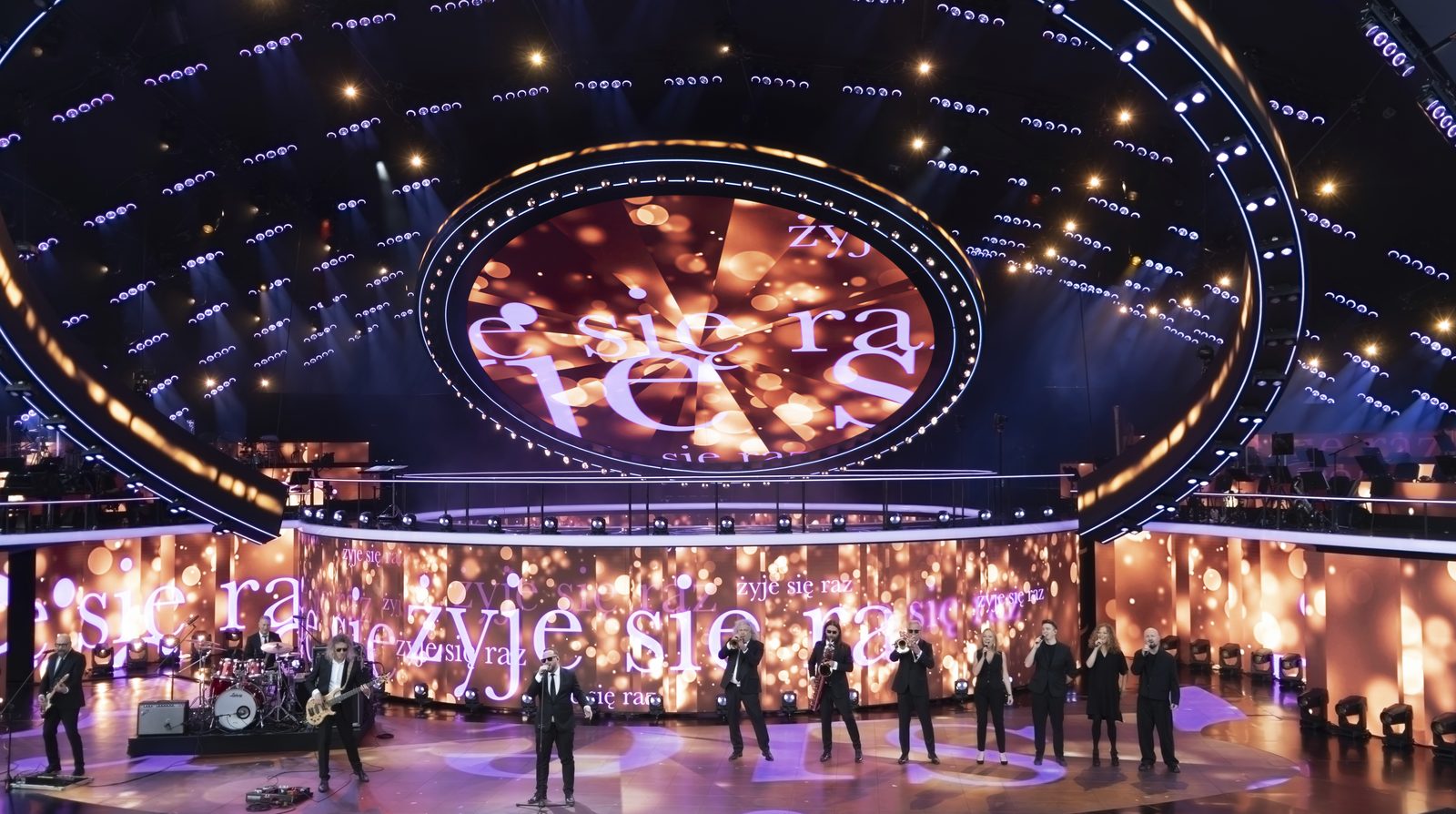
A large-scale corporate event venue. Photo: Krzysztof Popławski, Wikimedia Commons, CC BY 4.0.
Phase 2 · Production (weeks 4-2): 12 items
(11) Minute-by-minute run-down with an owner per segment. (12) Event identity design: backdrop, standees, slides in the LED screen's exact aspect ratio - the most common on-screen fail. (13) Invitations + registration landing page with QR codes so you can attribute channels. (14) Pre-event communications plan. (15) Permits and fire safety per venue requirements. (16) F&B menu with vegetarian and allergy options. (17) Gifts and print. (18) Event insurance for large crowds. (19) Seating chart and reception flow. (20) Photo and video crew. (21) Written reconfirmation of artists and MC - schedule and technical rider. (22) First guest reminder wave via email and chat apps - a repetitive job best delegated to an AI agent's booking-and-reminder skill.
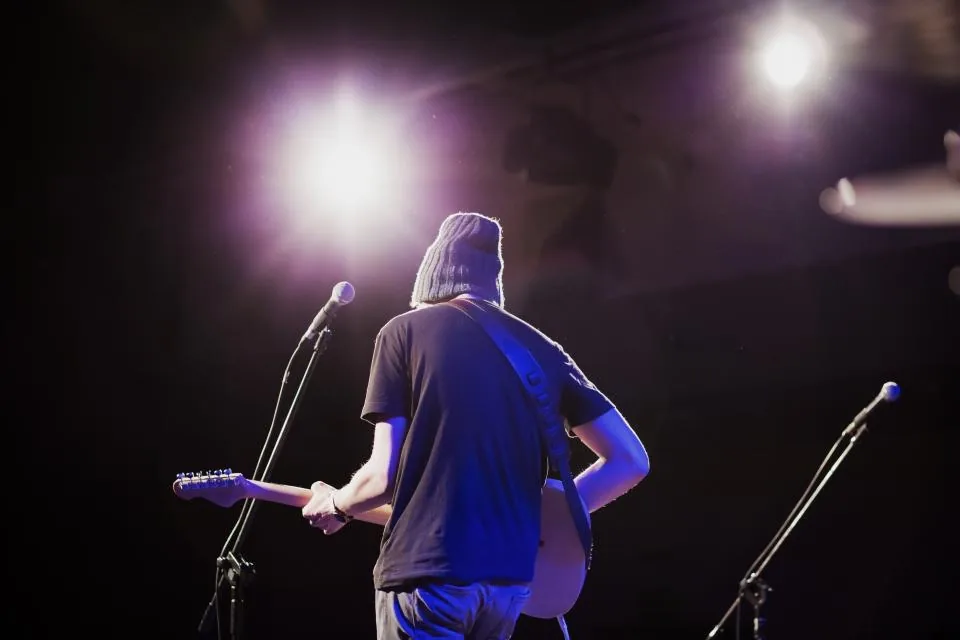
A dedicated editorial image selected for this article.
Phase 3 · Final week: the 6 decisive items
(23) The rehearsal - run in show order with the real equipment, at least one day out; the most-skipped item and the source of most incidents. (24) Full-crew briefing: positions, comms channel, who decides in a crisis. (25) Contingency plans: rain (outdoor events), power cut (generator), a late artist (the MC stretches the interaction block). (26) Check-in dry run - registration system, QR, VIP list. (27) Hard-copy documents - run-down, vendor phone list, floor plan - for when the wifi dies. (28) Installation acceptance: LED bright enough, sound coverage even, lights not blinding the front rows.
Phase 4 · Post-event: the 4 forgotten items
(29) Thank-yous within 24 hours: email plus a curated photo album while the feeling is warm. (30) Vendor reconciliation against acceptance reports. (31) KPI report against item (1): actual attendance, leads captured, social mentions - our free social listening tool counts the mentions. (32) The retrospective within one week, written down for the next event. Do these four and your second event will be noticeably cheaper and smoother than your first.
Checklist distilled from events Chạm AI has operated and sourced in Ho Chi Minh City, 2024-2026; the budget split is a reference ratio and shifts with scale and peak season (November-January equipment rates typically rise 15-25%).
Frequently asked questions
How far ahead should a corporate event be planned?
At least 8 weeks for a 100-300 guest event: weeks 8-5 lock goals, budget, venue and key vendors (LED, sound, artists - these book out first); weeks 4-2 lock the run-down, communications and permits; the final week is for rehearsal. Events over 500 guests or with headline artists need 3-6 months.
How should a corporate event budget be split?
Chạm AI's reference split for 100-300 guests: venue and F&B 35-40%; stage, LED, sound and lighting 20-25%; artists and MC 10-20%; design, gifts and print 8-12%; operations staff 5-8%; and always keep a 10% contingency - the item most often forgotten.
What is the most common mistake in DIY events?
Skipping the rehearsal. Most show-day incidents - feedback in the mics, slides in the wrong LED aspect ratio, the MC mispronouncing a VIP's name - would have surfaced at a full rehearsal with the real equipment, run in show order, at least one day before the event.