Why did a string of big brands U-turn after going minimalist?

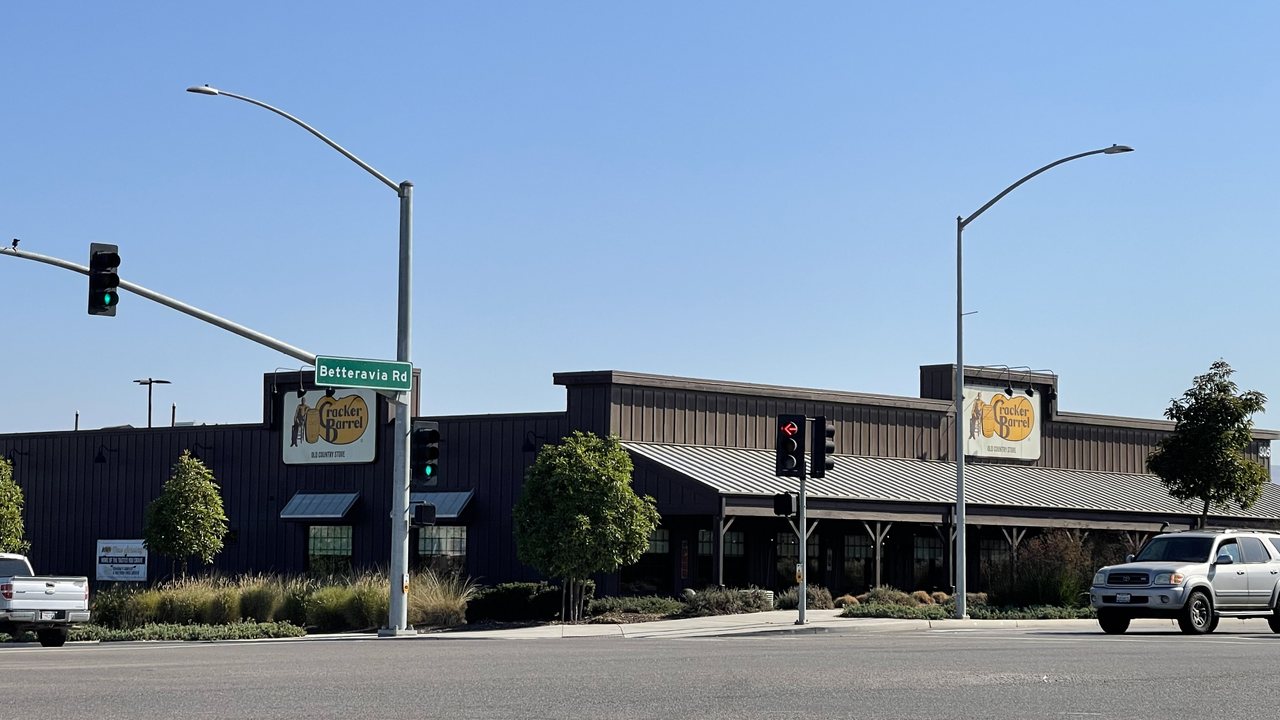
Photo: Cracker Barrel Old Country Store (2023), Missvain / Wikimedia Commons, CC BY 4.0.
In just over a year, a string of big brands switched to "minimalist" logos and then hastily reversed course. Cracker Barrel lost over $100M in market value within days. There is a common law behind it - and an entirely new blind spot called AI.
2024-2026 saw a wave of flat, generic, minimalist identity changes - and fierce customer backlash. Cracker Barrel (8/2025) dropped the Uncle Herschel figure, lost over $100M in market value and reversed within a week. Jaguar dropped its leaping cat and European sales fell 97.5%. MS NOW and HBO Max caused confusion with renames. The common thread: erasing distinctive identity assets. The new blind spot: once the distinguishing signals are gone, even AI like ChatGPT and Google AI Overviews struggles to recognize and cite the brand correctly.
What is happening?
On August 18, 2025, US restaurant chain Cracker Barrel unveiled a new logo: the old man Uncle Herschel by his barrel was gone, replaced by flat minimalist type. The reaction was instant and fierce. The stock fell nearly 15%, over $100M of market value evaporated within days. About a week later, the company announced a return to the old logo.
Cracker Barrel is not alone. It is the loudest case in a wave of controversial minimalist rebrands: Jaguar dropped its iconic leaping cat, Range Rover flattened its logo, MSNBC became "MS NOW" and lost the right to the NBC peacock, and HBO Max renamed itself twice in 2 years.
Minimal letterforms, the spirit of the rebrand wave. Stock photo (CC0).
What is a rebrand, and why does it go wrong?
A rebrand (repositioning / brand refresh) changes a brand's identity and positioning: logo, name, colors, messaging or the whole strategy. The goal is a better fit with a new market. But rebrands fail easily when they erase the assets customers already love and recognize in pursuit of a generic aesthetic.
The common trend across the U-turns is minimalism to the point of losing personality: dropping the signature symbol, switching to flat type, using neutral palettes. The result is a brand that looks exactly like every other brand - safe but soulless, with loyal customers feeling abandoned.
What do the U-turns have in common?
- Erasing distinctive identity assets: the Jaguar cat, Uncle Herschel, the NBC peacock - things customers recognize in a second.
- Chasing generic minimalism: flat and clean, but nothing left to remember.
- Forgetting loyal customers: changing to attract a new audience while wounding the one that feeds you.
- Form before reason: swapping the logo before fixing the underlying product or experience problem.

A creative studio where brands are refreshed. Stock photo (CC0).
The new blind spot: does your brand exist to AI?
There is an entirely new dimension the 2025 rebrands did not consider: being recognizable to AI. Ever more people ask ChatGPT or Perplexity, or read Google AI Overviews, instead of searching themselves. These systems recognize brands through distinctive signals: a consistent name, symbols, stories, the pages that talk about you.
When you erase every distinguishing mark to look "minimalist like everyone else", you also blur the very signals that let AI tell you apart from competitors. This is why GEO (generative engine optimization) now matters as much as SEO. Before changing your identity, check how ChatGPT currently describes your brand.
What should Vietnamese businesses take away?
Refreshing is fine - just do not erase what customers use to recognize you. Keep the core identity assets (symbol, colors, name), change for reasons tied to product and experience, test with customers before mass rollout, and check how AI describes your brand too. Minimalism is not the problem - losing your personality is.
In Vietnam, successful refreshes like Vinamilk and Viettel kept the core spirit while modernizing. The classic lesson in a failed logo change remains the Gap saga of 2010.
Frequently asked questions
What is a rebrand?
A rebrand is the refresh or repositioning of a brand - changing the logo, name, colors, messaging or strategy to better fit the market. It differs from a mere logo swap because it usually comes with a change of positioning.
Why did Cracker Barrel go back to its old logo?
The new minimalist logo dropped the Uncle Herschel figure, customers reacted fiercely, the stock fell nearly 15% and over $100M of market value evaporated. After about a week, the company restored the old logo.
How do you change identity safely?
Keep the core identity assets, change for a clear reason, test with customers first, and check how AI tools (ChatGPT, Perplexity) currently recognize the brand so you do not lose the recognition signals.