Sephora: removing the one fear that stalls beauty buying

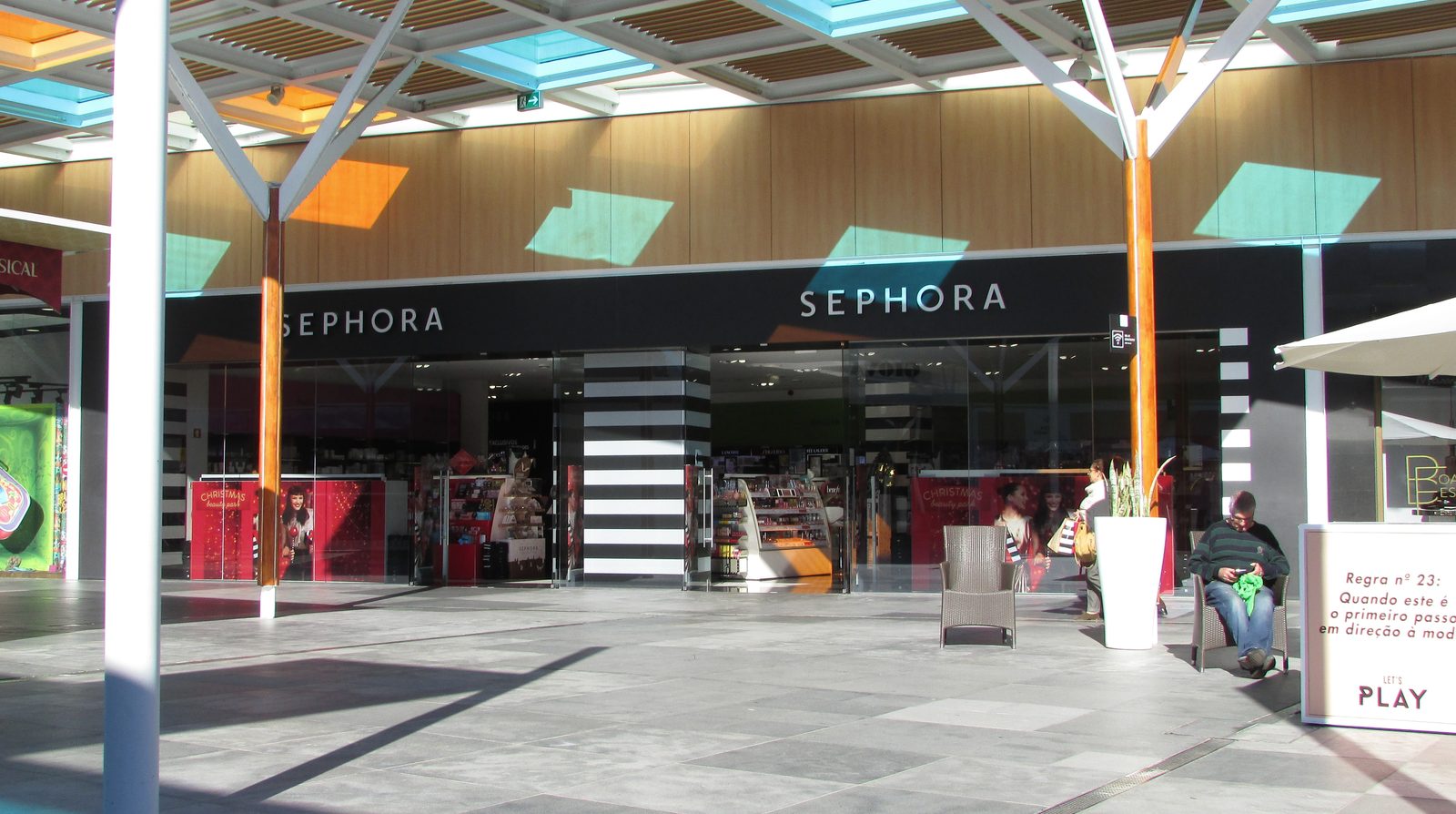
A Sephora store with visible brand signage. Photo: Kolforn / Wikimedia Commons, CC BY-SA 4.0.
The hardest part of buying cosmetics is not knowing which shade suits you. Sephora used technology to erase that fear - connecting virtual try-on in the app with advice at the counter into a model phygital beauty experience.
Sephora connects online and store through virtual makeup try-on, skin-tone scanning for accurate shade recommendations, an app that stores a beauty profile, and a membership program - so customers try virtually then buy in-store, or get counter advice built on saved data. The technology targets the exact pain of choosing wrong shades, lifting confidence and conversion. The lesson: use technology to remove decision risk.
What did Sephora actually build?
Virtual try-on: the camera lets customers test lipstick, powder and full looks in the app before buying. Skin-tone scanning: a color-code reading of the customer's skin recommends matching foundations and shades - cutting wrong choices. App + beauty profile: colors, preferences and purchase history saved to personalize suggestions both online and in-store. Members & counter advice: staff use the saved data to advise more accurately, threading one experience across channels.
Why does it convert?
Because the technology targets the exact fear that stalls beauty purchases: will this shade suit me? Removing that doubt raises confidence and conversion while cutting returns. And the loop runs both directions - customers try virtually then buy in-store, or walk to a counter where the advisor already knows their profile. It is the beauty-industry twin of IKEA's AR fitting room: different product, same principle of technology removing decision risk, and a textbook case of the phygital playbook.
A set of makeup products. Stock photo (CC0).
What can a Vietnamese beauty business copy?
The principle scales to any budget. A consultation flow that asks skin type and tone before recommending; before-and-after photos organized by skin tone; a saved customer profile so advice stays consistent across visits - or an AI agent that remembers each customer's shades and past purchases and suggests accordingly, the same profile-that-follows-the-customer idea in chat form. For spas and clinics the identical pattern applies to treatments - which is exactly how we build it on the spa service page.
Case study compiled from Sephora's publicly launched features and retail-industry coverage; Sephora branding belongs to Sephora (LVMH) and is discussed for commentary and education.
Frequently asked questions
How does Sephora connect online and in-store?
Through one shared data spine: virtual try-on lets customers test lipsticks and looks by camera in the app; skin-tone scanning identifies a color code to recommend matching foundation and shades; the app stores a beauty profile - colors, preferences, purchase history - and store staff use that same saved data to advise at the counter. Try virtually, buy in-store, or get counter advice built on your saved profile.
What customer problem does Sephora's technology solve?
The core fear of beauty shopping: not knowing whether a shade suits your skin tone, face or style - especially online. That fear causes hesitation and returns. Virtual try-on and tone scanning remove the guesswork, raising confidence and conversion - technology aimed at decision risk, not spectacle.
What can a small beauty business copy from Sephora?
The principle at any budget: reduce the fear of choosing wrong. A consultation flow that asks skin type and tone before recommending, before-and-after photos by skin tone, a saved customer profile so repeat advice stays consistent - or an AI agent that remembers each customer's shades and suggests accordingly. The profile that follows the customer between chat and counter is the phygital core.