Starbucks: the flywheel that turns coffee into data

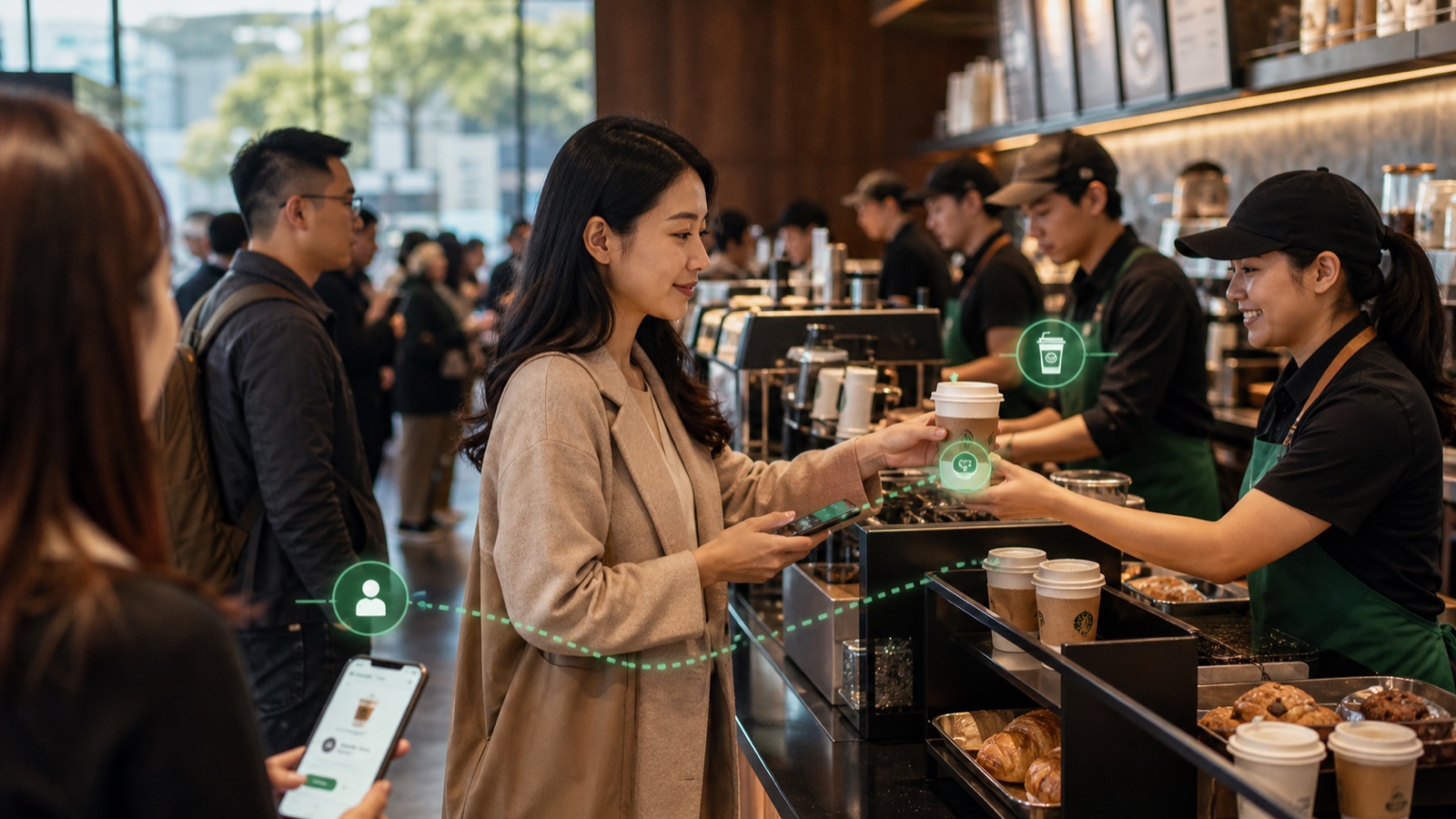
A mobile-order flow connecting baristas with the pickup counter. Editorial illustration generated with AI.
Starbucks does not sell coffee through the app - it uses the app to keep customers coming back. Every purchase earns stars; every star pulls the next purchase. That is a digital flywheel: the more it spins, the stronger it gets.
Starbucks built a loop: the app makes order-ahead and payment convenient, star rewards accrue on every purchase, personalized offers pull customers back, and the data collected sharpens the personalization further. Real benefits (faster, cheaper, more convenient) drive constant use, a large preloaded balance, and retention. The lesson: build loyalty attached to the daily buying habit - and copy the loop, not the budget.
What loop did Starbucks actually build?
Coffee is a high-frequency repeat purchase, so Starbucks put its money where the repetition is. App + order-ahead: order and pay before arriving, collect without queueing - solving the exact peak-hour pain. Star rewards: every purchase earns stars toward free drinks - a reason to come back. Personalized offers: based on purchase history, suggestions and promotions match each person's taste. Stored value: the in-app wallet gets customers to preload money - convenient, and a commitment to return.
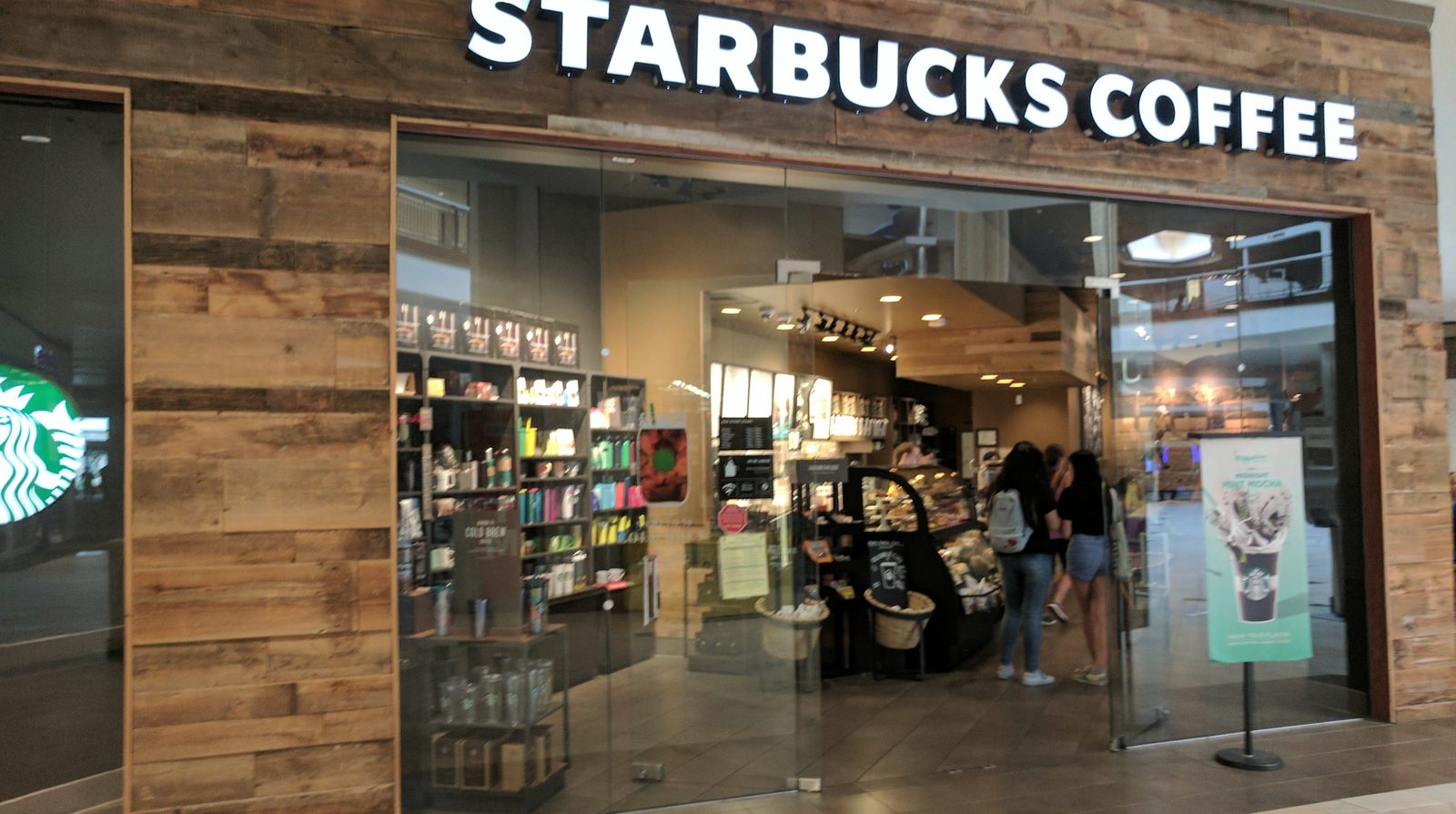
A Starbucks store with its familiar branding. Stock photo (CC0).
Why does the flywheel keep accelerating?
Each link feeds the next: more purchases produce more data, more data sharpens personalization, sharper personalization drives more purchases. The program generated a massive active membership, a large share of revenue through digital channels, and a significant preloaded balance - effectively an interest-free float. The reason customers stay is unglamorous and decisive: the app is genuinely faster, cheaper and more convenient, so usage is voluntary and constant. It is phygital in its purest form - the store and the app reinforcing each other in one experience, the same architecture as Nike's ecosystem.
What can a Vietnamese F&B business copy?
Copy the loop, not the budget. Give a real convenience benefit for ordering through your channel - a Zalo message-to-order flow that skips the wait is the small-business mobile order. Reward repetition tied to actual behavior - a stamp program with automatic reminders. And use history to personalize - an AI agent that remembers a regular's usual order and suggests it at the right moment is the small-business version of the Starbucks recommendation engine. The flywheel spins at any size; what matters is that every link genuinely helps the customer, so the loop runs on usefulness rather than discounts.
Case study compiled from Starbucks' publicly reported rewards and digital-channel performance over multiple years. Program mechanics change; verify current terms on official channels.
A dedicated visual selected for this article. CC0 editorial photograph.
Frequently asked questions
What is the Starbucks digital flywheel?
A self-reinforcing loop Starbucks built around daily coffee purchases: the app makes ordering and paying ahead convenient; the rewards program grants stars on every purchase; personalized offers based on purchase history pull customers back; and the data collected makes the personalization better - which drives more purchases, more data, and a stronger loop with every turn.
Why does the Starbucks app succeed where most loyalty apps fail?
Because it attaches to a daily buying habit and delivers real benefits: faster (skip the line with mobile order), cheaper (rewards and offers), more convenient (stored value, one-tap payment). Customers use it constantly because it genuinely helps - the loyalty is a byproduct of usefulness, not a coupon gimmick. Preloaded wallet balances also commit customers to return.
How can a small F&B business copy the flywheel without an app budget?
Copy the loop, not the technology: give a real convenience benefit for ordering through your channel (Zalo message-to-order that skips the wait), reward repeat visits in a way tied to actual behavior (a stamp system with automatic reminders), and use purchase history to personalize (an AI agent that remembers the usual order). The loop matters more than the platform.